Fed Minutes Show Most Officials Back Another Hike With Prime at 7.00%
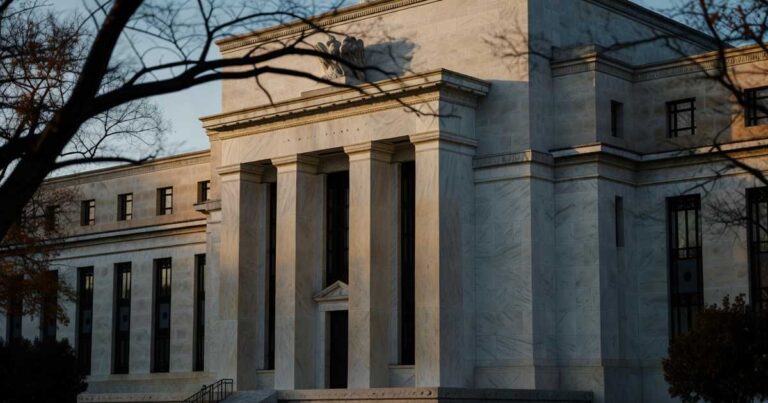
Minutes of the September FOMC meeting show a unanimous 12 to 0 vote to raise rates and most officials expecting one more increase before the end of 2026.


Minutes of the September FOMC meeting show a unanimous 12 to 0 vote to raise rates and most officials expecting one more increase before the end of 2026.
Every Treasury maturity from three years out to 30 years closed at or above 5.00% on September 28, 2026, the first time since July 2007. The 10-year reached 5.24%.

The 30-year Treasury yield closed at 5.47 percent on September 24, the highest since June 2004, as real yields rather than inflation expectations drove the selloff.
Treasury sold $69 billion of two-year notes at a 4.787% high yield on September 22, 2026, the highest since May 2024 and 79 basis points above the Fed's new target range.
The Fed raised the federal funds target range a quarter point to 3-3/4 to 4 percent, lifting the prime rate to 7.00 percent effective September 17, its first increase since July 2023.
Federal debt fell to $40.048 trillion on September 10, down $127.9 billion from the August 31 record, as Treasury drew its cash balance at the Fed down by $205.4 billion.

Treasury sold $22 billion of 30-year bonds at 5.308 percent on September 10, the highest stop since 2001, and indirect bidders took a record 79.3 percent.
Treasury held $967.9 billion at the Fed in the week ended September 2, a four month high, pulling bank reserves to $2.895 trillion, their lowest in 39 weeks.

U.S. employers added 162,000 jobs in August and the BLS revised June and July up by a combined 55,000, erasing the reported July decline days before the September 15-16 FOMC meeting.
US federal debt closed August at $40.18 trillion, up $404.02 billion from July 31, the largest single-month rise of fiscal 2026 and the first month-end close above $40T.