
How Personal Loans Affect Your Credit Score
A personal loan affects your credit score at three distinct stages: the application (hard inquiry, typically –5 to –10 FICO points), the new account opening

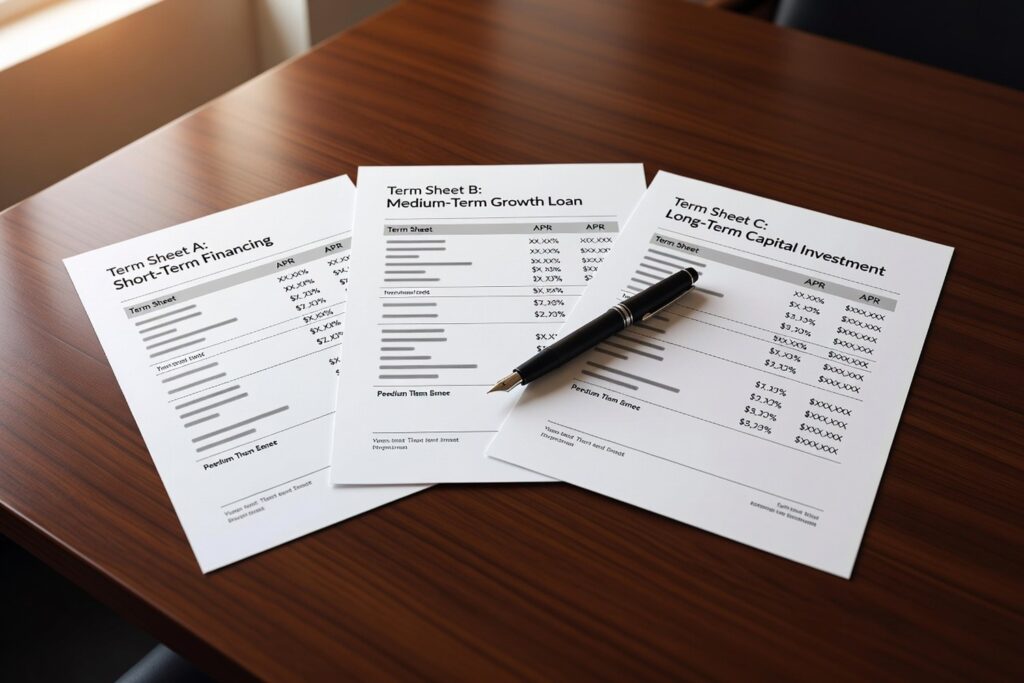
The fastest business loan lenders fund between $5,000 and $500,000 in as little as 24 hours, with APRs ranging from 7.0% to 99%. OnDeck, Bluevine, and Kabbage lead for same-day or next-day funding, while SBA 7(a) loans offer the lowest rates (prime + 2.25% to prime + 4.75%) but take 30–90 days to fund.
Table of Contents
The lenders below represent the fastest-funding options across term loans, lines of credit, and SBA programs. Rates and terms are current as of March 2026. The APR range depends on your credit score, revenue, and time in business.
| Lender | APR Range | Loan Amount | Min FICO | Term | Funding Speed | Best For |
|---|---|---|---|---|---|---|
| OnDeck | 27.3%–99.0% | $5K–$250K | 625 | 3–24 mo | Same day | Established businesses needing fast capital |
| Bluevine | 7.8%–25.0% | $5K–$250K | 625 | 6–12 mo (LOC) | 24 hours | Lines of credit for recurring needs |
| Kabbage (Amex) | 3.0%–18.0% | $2K–$250K | 640 | 6–24 mo | Same day | Small draws under $50K |
| Fundbox | 10.1%–20.0% | $1K–$150K | 600 | 12–24 wk | Next day | Startups and low-revenue businesses |
| SBA 7(a) (via banks) | 10.5%–13.5% | $25K–$5M | 680 | 7–25 yr | 30–90 days | Lowest long-term cost |
| SmartBiz | 8.5%–14.0% | $30K–$350K | 675 | 10–25 yr | 7–30 days | Streamlined SBA applications |
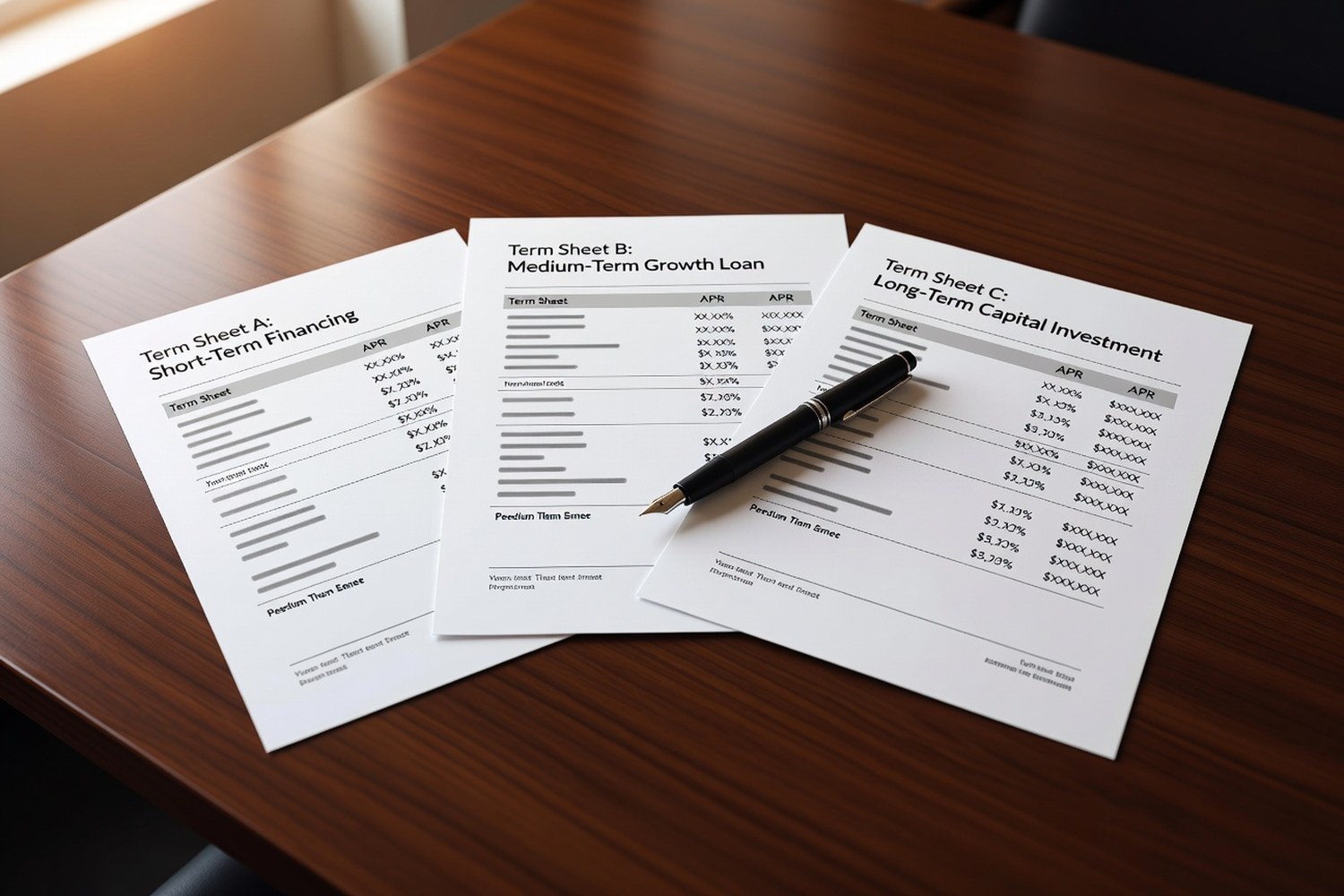
Funding speed depends on the lender type and loan product. Online lenders have automated underwriting that processes applications in minutes and funds within 24–72 hours. Traditional bank loans and SBA loans require manual review, collateral verification, and government paperwork that extends the timeline to weeks or months.
Same-day funding is available from OnDeck, Kabbage, and select merchant cash advance providers, but only if you apply early in the business day and have a connected business bank account for ACH transfer. Next-day funding is standard for Bluevine and Fundbox. SBA 7(a) loans through SmartBiz and Live Oak Bank typically close in 30–60 days with the SBA approval step adding 5–10 business days to the process.
The tradeoff is clear: the faster the funding, the higher the cost. A same-day OnDeck term loan at 45% APR on $50,000 for 12 months costs approximately $12,800 in interest. The same $50,000 through an SBA 7(a) at 11% for 10 years costs $33,200 in total interest but only $180 per month compared to $5,230 per month from OnDeck.
Term Loans. A lump sum repaid in fixed installments over 3–24 months (online) or 1–25 years (SBA/bank). Best for one-time expenses: equipment, inventory, expansion. OnDeck and Kabbage are the fastest term loan providers.
Business Lines of Credit. Revolving credit you draw from as needed, paying interest only on what you use. Bluevine and Fundbox offer lines up to $250,000 with same-day or next-day draws after initial approval. Best for recurring cash flow gaps, seasonal inventory, or unpredictable expenses.
SBA 7(a) Loans. Government-backed loans with the lowest rates (prime + 2.25% to prime + 4.75%) and longest terms (up to 25 years). Require 680+ FICO, 2+ years in business, and 30–90 days to fund. Best for established businesses prioritizing total cost over speed.
Merchant Cash Advances (MCA). An advance against future credit card or daily sales receipts. Funding in 24 hours, but factor rates of 1.1x–1.5x translate to effective APRs of 40%–350%. Best only for businesses with high daily card volume that cannot qualify for other loan types.
Invoice Factoring. Sell outstanding invoices at a discount (typically 1%–5% of invoice value) for immediate cash. Fundbox and BlueVine offer factoring products with next-day funding. Best for B2B businesses with large outstanding receivables and long payment cycles (net 30/60/90).
Online lenders have lower qualification thresholds than banks, which is why they can approve and fund faster. The typical requirements vary by lender but follow a consistent pattern.
Credit score. Most online lenders require 600–650 FICO. SBA loans require 680+. Higher scores unlock lower rates — a borrower at 720 FICO may qualify for Bluevine at 7.8% while a borrower at 620 gets 20%+ from the same lender.
Annual revenue. Online lenders typically require $100,000–$250,000 in annual revenue. Fundbox has the lowest threshold at around $100,000. SBA loans require demonstrated cash flow to service the debt (DSCR of 1.25x or higher).
Time in business. Most online lenders require 6–12 months. SBA loans require 2+ years. Startups under 6 months may qualify only for MCAs or microloans.
Documentation. Online lenders pull bank statements automatically (via Plaid or Yodlee) and can approve in minutes. SBA loans require tax returns, financial statements, business plan, and personal guarantee documentation that takes weeks to assemble.
The table below compares the total cost of borrowing $100,000 across different loan types. The true cost includes interest, origination fees, and any factor rate premiums.
| Loan Type | APR | Term | Monthly Payment | Total Interest | Funding Speed |
|---|---|---|---|---|---|
| Online Term (OnDeck) | 30% | 12 mo | $9,750 | $17,300 | Same day |
| Line of Credit (Bluevine) | 15% | 12 mo | $9,025 | $8,300 | 24 hours |
| SBA 7(a) (SmartBiz) | 11% | 10 yr | $1,377 | $65,200 | 30–60 days |
| MCA (1.3x factor) | ~80%+ | 6–12 mo | Varies | $30,000 | 24 hours |
Emergency cash flow gaps. If payroll is due in 3 days and a client payment is delayed, a 24-hour line of credit from Bluevine or Fundbox bridges the gap. The 15–20% APR is expensive but cheaper than missing payroll or damaging vendor relationships.
Time-sensitive opportunities. A bulk inventory purchase at 40% discount that expires in 48 hours may justify a 25% APR short-term loan — the margin more than covers the borrowing cost. Run the numbers: if the profit from the opportunity exceeds the total interest cost, the fast loan creates net value.
When you cannot wait for SBA. SBA loans are the cheapest option for established businesses, but the 30–90 day timeline does not work for urgent needs. Some businesses use a fast online loan for immediate capital, then refinance into an SBA loan once approved. This “bridge then refinance” approach captures the speed of online lending and the rates of SBA lending.
When it does NOT make sense. Do not use a fast business loan for long-term investments (equipment, real estate) where an SBA or bank loan would cost a fraction of the interest. Do not stack multiple MCAs — the combined daily repayment can exceed cash flow and force default. If your business cannot service the repayment schedule comfortably, the speed of funding becomes a liability rather than an advantage.
Online lenders like OnDeck, Kabbage, and Bluevine can approve and fund within the same business day. Apply before noon, connect your business bank account for automated verification, and funds arrive via ACH by end of day or next morning. Merchant cash advances are also same-day but carry significantly higher costs (effective APR of 40%–350%).
Most online lenders require a minimum 600–650 personal FICO score. Fundbox accepts scores as low as 600. OnDeck and Bluevine look for 625+. For the best rates (under 15% APR), aim for 700+ FICO. SBA loans require 680+ but take 30–90 days to fund.
Online lenders typically offer $5,000 to $250,000 for term loans and lines of credit. Fundbox caps at $150,000. SBA 7(a) loans go up to $5 million but are not fast-funded. The approved amount depends on your annual revenue, time in business, and creditworthiness.
Yes. Speed comes at a premium. Online term loans carry APRs of 15%–99% compared to 7%–13% for bank loans and 10.5%–13.5% for SBA loans. On $100,000 for 12 months, a 30% APR costs $17,300 in interest while an 11% SBA loan over 10 years costs $1,377/month. The total cost difference is significant over the loan lifetime.
Some lenders work with credit scores as low as 500–550, primarily through merchant cash advances and revenue-based financing. However, the cost is very high (factor rates of 1.2x–1.5x, equivalent to 40%–200%+ APR). If possible, improve your credit to 620+ before borrowing to access term loans and lines of credit at much lower rates.
Online lenders require minimal documentation: business bank account connection (via Plaid), basic business information (EIN, revenue, time in business), and personal identification. Most applications take 5–15 minutes. SBA loans require tax returns, financial statements, business plan, personal guarantee, and collateral documentation.
A personal loan affects your credit score at three distinct stages: the application (hard inquiry, typically –5 to –10 FICO points), the new account opening

The most common personal loan fee is the origination fee, which ranges from 1% to 10% of your loan amount and gets deducted before you

A personal loan is the cheaper choice for borrowing $3,000 or more when you need longer than 60 days to repay — the average personal

You can prequalify for a personal loan in under five minutes at most online lenders — SoFi, Upstart, Prosper, Best Egg, and Upgrade all let

Most personal loan lenders approve borrowers with a debt-to-income ratio (DTI) under 50%, though the best rates and terms go to applicants below 36%. SoFi,

The prime rate forecast for 2026 is one of the most closely watched financial data points of the year — and for good reason. Every