Fed Minutes Show Most Officials Back Another Hike With Prime at 7.00%
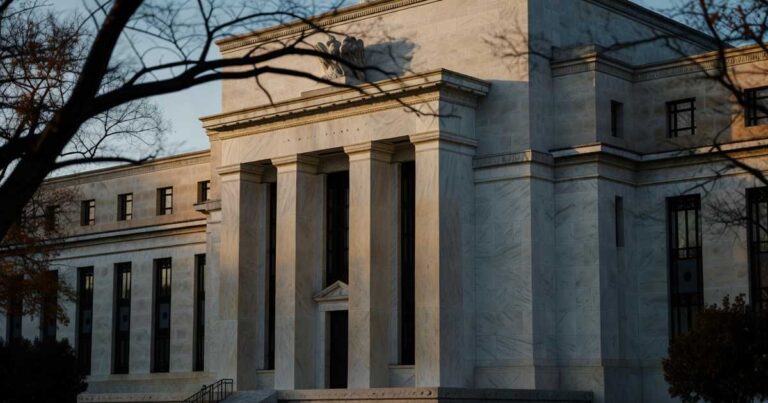
Minutes of the September FOMC meeting show a unanimous 12 to 0 vote to raise rates and most officials expecting one more increase before the end of 2026.

Minutes of the September FOMC meeting show a unanimous 12 to 0 vote to raise rates and most officials expecting one more increase before the end of 2026.
The federal debt grew $2.46 trillion in fiscal 2026 and closed at $40.097 trillion, the first fiscal year to end above $40 trillion. Here is what it costs.

Core PCE inflation held at 3.0% in August while consumer spending jumped 0.9% and the saving rate fell to 4.1%, leaving the Fed a split signal before the October FOMC meeting.
Every Treasury maturity from three years out to 30 years closed at or above 5.00% on September 28, 2026, the first time since July 2007. The 10-year reached 5.24%.

Federal interest expense reached $1,267.8 billion in eleven months of fiscal 2026, topping all of fiscal 2025, as the average rate on Treasury debt hit a 17-year high.

Treasury raised four bill auction sizes on September 24 and will sell $316 billion on Monday and Tuesday, $18 billion more than the same four tenors raised at their most recent sales.

The 30-year Treasury yield closed at 5.47 percent on September 24, the highest since June 2004, as real yields rather than inflation expectations drove the selloff.
The Congressional Budget Office said federal debt held by the public would reach 222 percent of GDP in 2056 if interest rates run one percentage point above its baseline, against 175 percent in the baseline itself.
Treasury sold $70 billion of five-year notes at a 5.033% high yield on September 23, the highest since June 2006, with the weakest bid-to-cover since December 2018.

Treasury sold $69 billion of two-year notes at a 4.787% high yield on September 22, 2026, the highest since May 2024 and 79 basis points above the Fed's new target range.