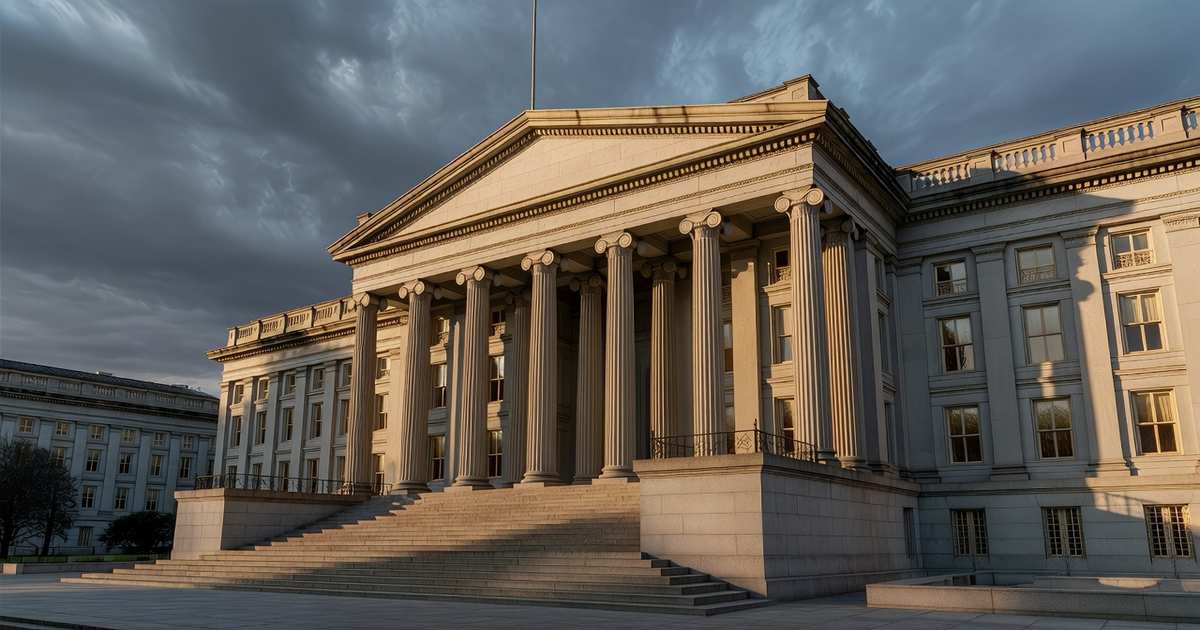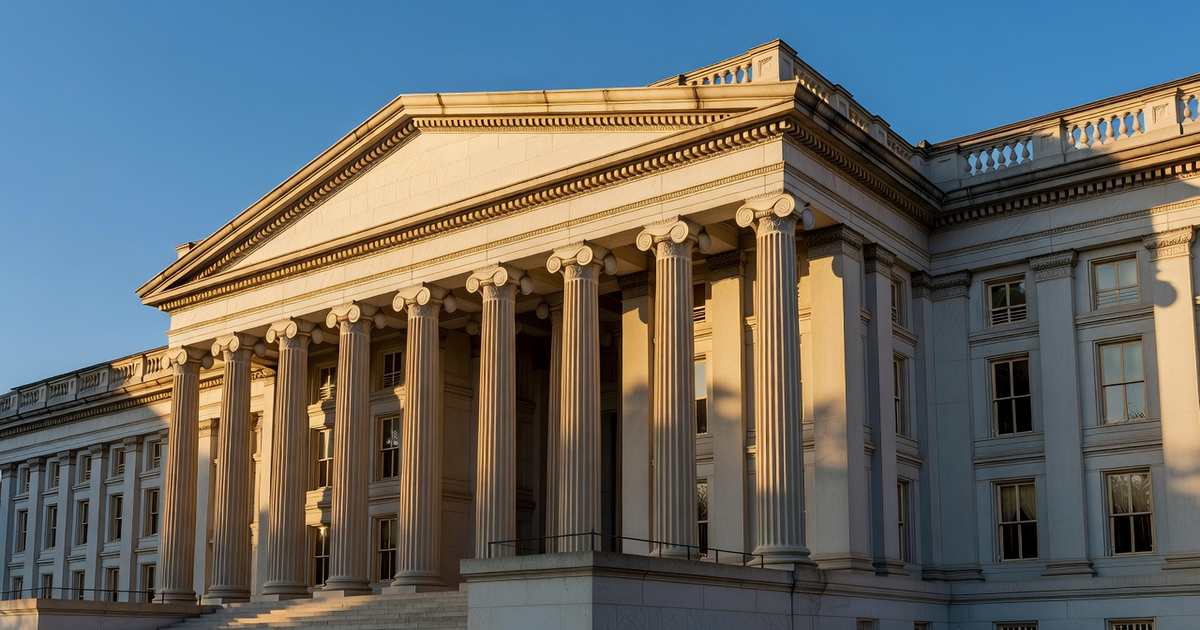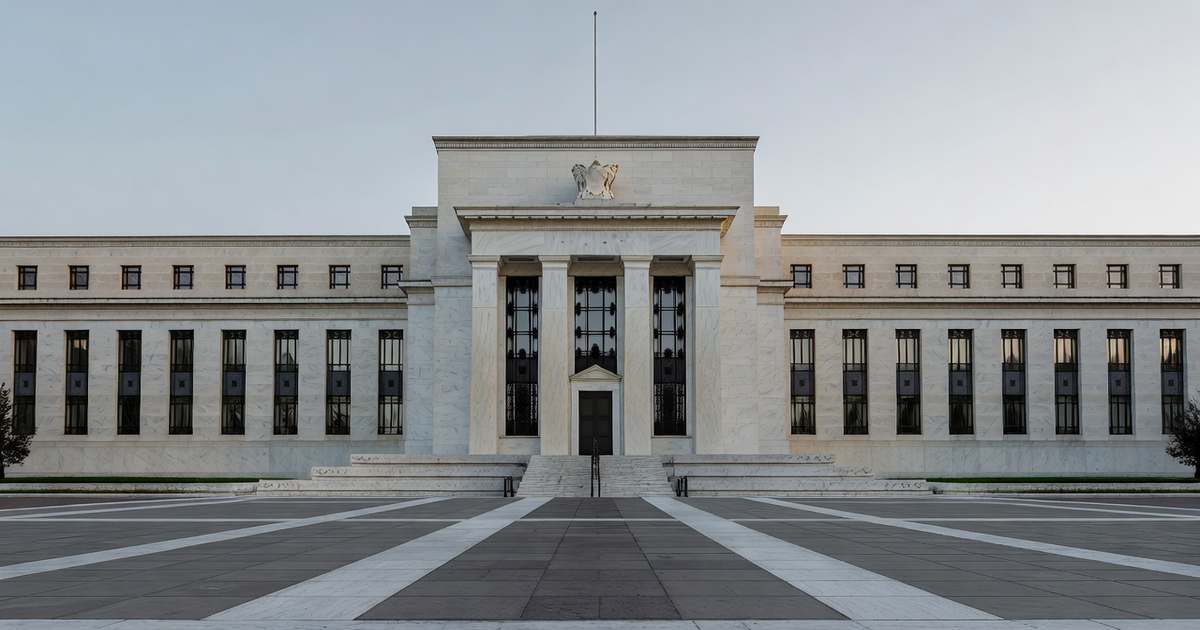
The Federal Reserve entered its communications blackout on Saturday, July 18, 2026, going quiet ahead of the July 28 to 29 policy meeting that ends with a rate decision on Wednesday, July 29 at 2:00 p.m. Eastern. Futures markets price about an 87% probability that the Federal Open Market Committee leaves its benchmark unchanged at 3.50% to 3.75%, the range it has held all year, according to the CME FedWatch tool as of July 18. The debate this time is not whether the Fed will cut. It is whether a rate increase is coming later in 2026. The minutes of the June meeting revealed a committee split down the middle, and Chair Kevin Warsh spent the week before the blackout warning that cooling inflation is not the same as a job finished. Cooler June inflation data have complicated the picture, pulling in the opposite direction from the hawkish signals policymakers sent in June. This meeting carries no updated projections or dot plot, so the language of the statement will do most of the talking. For borrowers and savers, the practical read is that the prime rate, and the credit card and home equity pricing tied to it, will almost certainly stay put this month. See the calendar on our Fed meeting schedule page and track the benchmark on our current prime rate page.
- The Fed entered its communications blackout on July 18, ahead of the July 28 to 29 meeting.
- Markets price about an 87% chance the Fed holds at 3.50% to 3.75% on July 29.
- This is a non-projection meeting, so there is no new dot plot or economic forecast.
- June minutes showed an even split, with half of policymakers open to a 2026 hike.
- If the Fed holds, the prime rate stays at 6.75% and card APRs do not move.
What Markets Have Priced for July 29
Futures traders have grown more cautious about a rate cut and slightly more worried about a hike. The CME FedWatch tool put the odds of a July hold near 87% on July 18, leaving roughly a 13% probability that the Fed raises its target by a quarter point. That hike probability has been climbing. On July 2 it sat near 18%, and by July 13 it had reached about 36% before cooler inflation readings pulled it back. The September meeting is where the market sees the real decision. FedWatch pricing on July 18 showed only about a 30% chance of a hold by September, against a roughly 51% chance of a quarter-point increase and a smaller chance of a larger move.

The bigger absence at this meeting is information. July is not a Summary of Economic Projections meeting, which means no fresh dot plot, no updated growth and inflation forecasts, and no revised unemployment path. The last projections, released in June, moved the median dot toward one increase before year end. Without a new set of dots, investors will parse the statement word by word for any shift in how the committee describes inflation and the balance of risks. A single adjective can move the bond market when the rate itself is a near-certainty. Our Fed rate forecast for 2026 page tracks how those expectations have shifted through the year.
The Data Cutting Against a Hike
The inflation numbers that landed in the two weeks before the meeting handed the doves fresh ammunition. The Consumer Price Index fell 0.4% in June, its first monthly decline since April 2020, and the annual rate eased to 3.5% from 4.2% in May. Producer prices told a similar story, with the Producer Price Index down 0.3% on cheaper gasoline. Both prints softened the case for an immediate rate increase and reminded the committee that the trend, at least for one month, is moving toward the 2% goal rather than away from it.
The Fed’s preferred gauge still runs hotter. The Personal Consumption Expenditures price index rose 4.1% in the year through May, with the core measure at 3.4%, both well above target. The bond market has leaned toward the softer signal. The 2-year Treasury yield, the maturity most sensitive to Fed policy, eased to 4.16% by mid-July as traders trimmed their bets on a near-term hike. The 10-year yield sat at 4.57%, and the gap between the two turned positive again, a normalization the curve had lacked for much of the tightening cycle. Our inflation tracker follows each of these releases as they print.
A Divided Committee and a Hawkish Chair
The minutes of the June 16 to 17 meeting laid bare a committee with no consensus on its next move. Of the 18 policymakers who submitted projections, roughly half favored holding or lowering rates through the rest of 2026, while the other half argued for at least one increase before year end to guard against sticky inflation. That even split is unusual, and it helps explain why the July statement matters more than the rate. A committee this divided tends to keep its options open, and the wording it chooses signals which way the balance is tilting. Our recap of the June FOMC minutes covers the debate in full.

Chair Warsh has left little doubt about his own lean. Testifying on Capitol Hill on July 14, he called the improvement in inflation real but insufficient, saying the progress was not a mission accomplished and rejecting any comfort with inflation above the 2% target. His first months in the job have carried a consistently firm tone on prices, a stance that colors how markets read the committee’s center of gravity. The competing pressures of a cooling set of price readings and a chair focused squarely on inflation sit at the heart of the Fed’s dual mandate tension between stable prices and full employment.
What the July Decision Means for Your Money
A hold on July 29 would freeze the rates most households feel first. The prime rate has stood at 6.75% since December, and it moves only when the Fed moves. Credit card APRs, home equity lines of credit, and most variable-rate business loans are indexed to prime, so a hold means those costs stay exactly where they are for another cycle. You can confirm the current benchmark on our current prime rate page and read how the policy signal reaches your loan on our how the Fed affects loans explainer.
Fixed borrowing costs follow a different track. Mortgage rates key off the 10-year Treasury yield rather than the Fed’s overnight rate, and the 30-year fixed averaged 6.55% for the week ending July 16, roughly 198 basis points above the 10-year. A July hold, widely expected, is already baked into that pricing, so the statement’s tone will matter more than the decision itself. Savers should watch the same signals in reverse. If the committee sounds more open to a hike, deposit yields on the best savings accounts and CDs may hold their ground longer. Compare current offers on our high yield savings and best CD rates pages.
Do not build a borrowing decision around a single meeting. A July hold is already priced in, so locking a mortgage or a personal loan the day before the announcement is unlikely to beat locking it the day after. Read the statement instead of the rate. The phrases the committee uses to describe inflation and risk tend to move the 10-year Treasury yield, and that yield is what actually sets your mortgage and refinance pricing over the following weeks.
Frequently Asked Questions
Will the Fed cut interest rates at the July 2026 meeting?
No cut is expected. Markets price about an 87% probability that the Fed holds its benchmark at 3.50% to 3.75% when it announces its decision on July 29, 2026. The live debate is not about a cut but about whether the Fed raises rates later in 2026.
Will Kevin Warsh lower interest rates?
Not at this meeting, based on his own words. Chair Warsh told Congress on July 14 that recent progress on inflation was real but not a mission accomplished, and he rejected any comfort with inflation running above the 2% target. That firm tone points toward holding rates steady in July, with the risk skewed toward a possible increase later in 2026 rather than a cut. His stance is one reason markets now assign meaningful odds to a hike by September.
Will the Fed raise interest rates again in 2026?
It is a live possibility. The June projections moved the median policymaker toward one increase before year end, and the June minutes showed roughly half the committee favoring a hike to guard against sticky inflation. Futures markets reflect that split, pricing only about a 30% chance that rates are still on hold after the September meeting and better than even odds of a quarter-point increase by then. Cooler June inflation data have tempered those bets but not erased them.
Will mortgage rates fall to 4% in 2026?
That looks unlikely this year. The 30-year fixed mortgage averaged 6.55% for the week ending July 16, 2026, and it tracks the 10-year Treasury yield, which sat at 4.57%. For mortgages to approach 4%, the 10-year yield would need to fall sharply, which usually requires either a marked economic slowdown or a series of Fed rate cuts. With the Fed weighing a possible hike rather than cuts, the conditions for a 4% mortgage are not in place right now.
How does a Fed decision affect my credit card APR?
Most credit cards carry a variable APR tied to the prime rate, which sits at 6.75% and moves only when the Fed changes its benchmark. If the Fed holds on July 29, your card APR stays the same. If the Fed were to raise rates by a quarter point, prime would climb to 7.00% and issuers would typically pass that increase through within one or two billing cycles. A hold, the expected outcome, means no change to your card rate this month.
When is the next Fed meeting and when is the decision announced?
The Federal Open Market Committee meets on Tuesday and Wednesday, July 28 and 29, 2026. The rate decision and policy statement are released at 2:00 p.m. Eastern on Wednesday, July 29, followed by a press conference with Chair Warsh. Because this is not a projection meeting, there will be no updated dot plot. The following meeting is scheduled for September, when markets see the greater chance of a policy change.
Watching the Road to July 29
Watching the July 29 statement is the assignment for anyone with a variable rate or a home purchase in play. The rate itself is close to a foregone conclusion, but the committee’s description of inflation and risk will steer the 10-year Treasury yield and the borrowing costs that follow it. Track expectations on our Fed rate forecast for 2026 page, watch the curve on our Treasury yield curve dashboard, and check the calendar on our Fed meeting schedule page.
References
- Board of Governors of the Federal Reserve System. “FOMC Meeting Calendars and Information.” federalreserve.gov
- Board of Governors of the Federal Reserve System. “FOMC Statement, June 17, 2026.” federalreserve.gov
- Board of Governors of the Federal Reserve System. “FOMC Minutes, June 16 to 17, 2026.” federalreserve.gov
- Board of Governors of the Federal Reserve System. “H.15 Selected Interest Rates.” federalreserve.gov
- Federal Reserve Bank of St. Louis. “Bank Prime Loan Rate (DPRIME).” fred.stlouisfed.org
- Federal Reserve Bank of St. Louis. “Market Yield on U.S. Treasury Securities at 10-Year Constant Maturity (DGS10).” fred.stlouisfed.org
- Federal Reserve Bank of St. Louis. “Blackout Periods.” stlouisfed.org