Treasury 2-Year Note Auction Stops at 4.189%, Highest Since January 2025
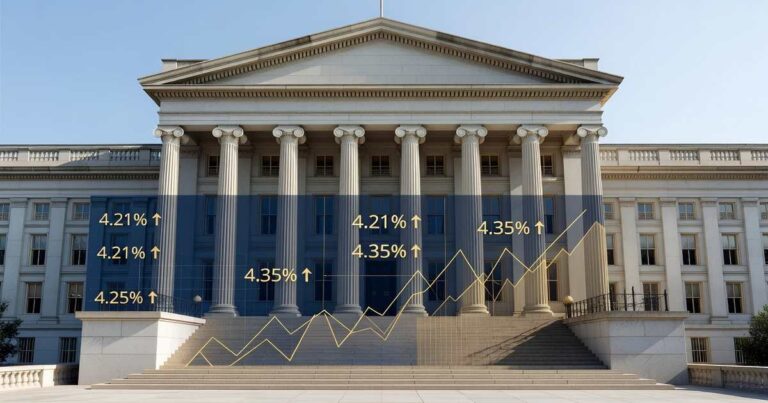
The U.S. Treasury sold $69 billion of two-year notes on June 23 at a 4.189% high yield, the highest stop since January 2025, with a 2.64 bid-to-cover and strong demand.


The U.S. Treasury sold $69 billion of two-year notes on June 23 at a 4.189% high yield, the highest stop since January 2025, with a 2.64 bid-to-cover and strong demand.
The Fed held rates at 3.50 to 3.75 percent on June 17, 2026, but its new dot plot flipped toward a 2026 hike at Kevin Warsh's first meeting. Prime stays 6.75 percent.
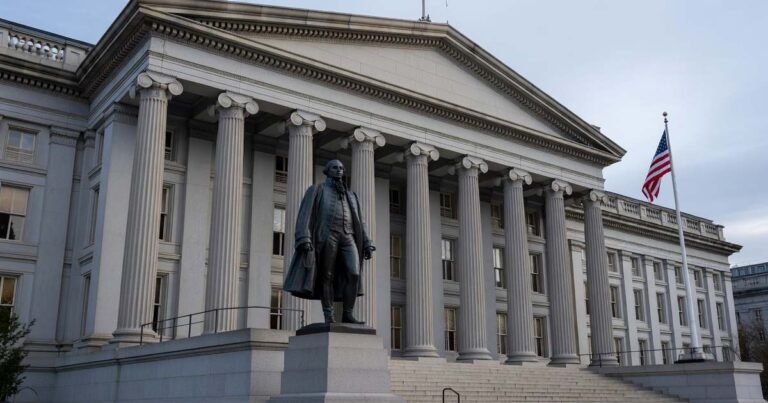
The U.S. debt ceiling caps how much the Treasury can borrow to pay bills Congress already approved. Here is how the $41.1 trillion limit works and when it binds next.
Treasury's $22 billion 30-year auction stopped at 5.02% on June 11, the first back-to-back 5% sales since 2007, days before the June 16-17 Fed meeting.
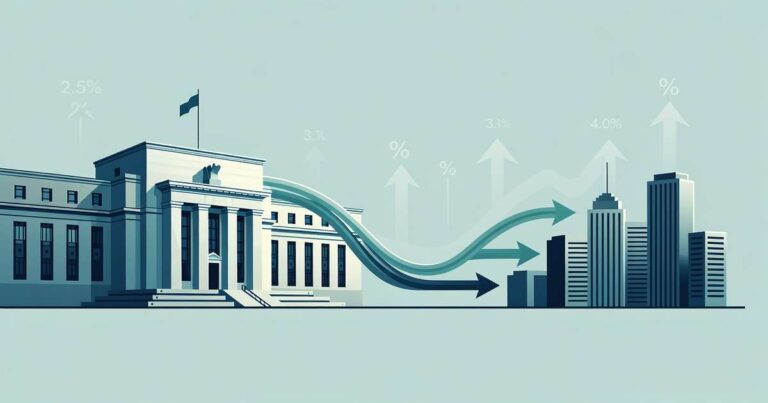
The U.S. prime rate is 6.75%, but the Fed does not set it. Here is how banks derive prime from the federal funds rate and what it means for your loans.

Private employers added 122,000 jobs in May, ADP reported June 3, a broad-based gain that reinforces the case for the Federal Reserve to hold rates at its June 16-17 meeting and keep prime at 6.75%.
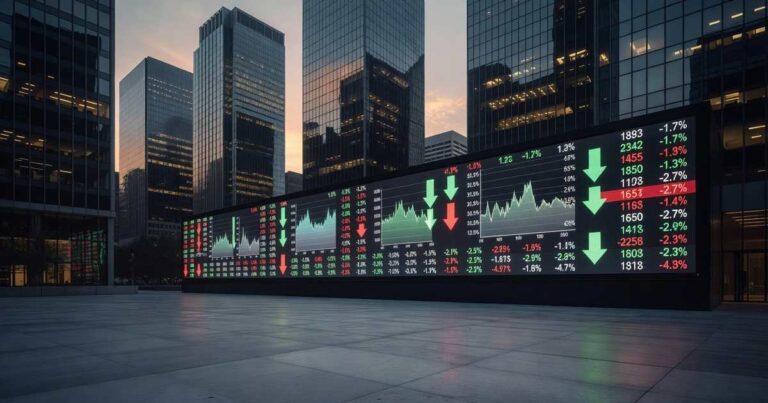
U.S. GDP grew just 1.6% in Q1 2026, revised down from 2.0%, as corporate profit growth stalled and inflation stayed hot, keeping the Fed on hold and prime at 6.75%.
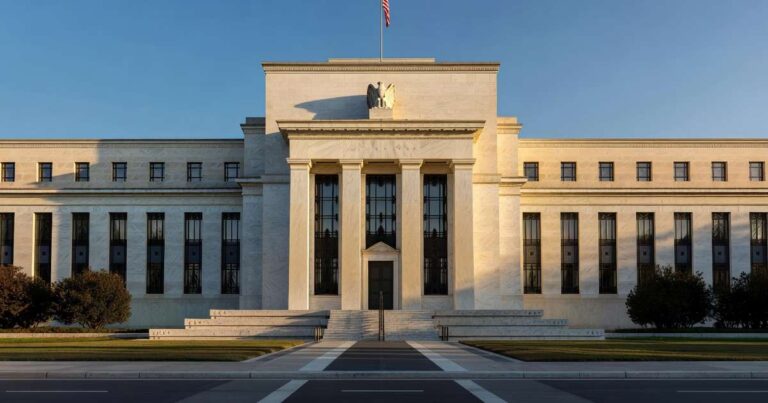
Kevin Warsh was sworn in May 22 as the 11th Fed chair after the closest Senate vote in modern history. His first FOMC is June 16-17 and markets now price a 65% chance of no cuts in 2026. Here is what changes for borrowers and savers.

Learn about borrowing options and how to protect yourself from predatory lenders while rebuilding credit safely.
How 2026 rate shifts will impact your borrowing costs and affect personal loans in general.