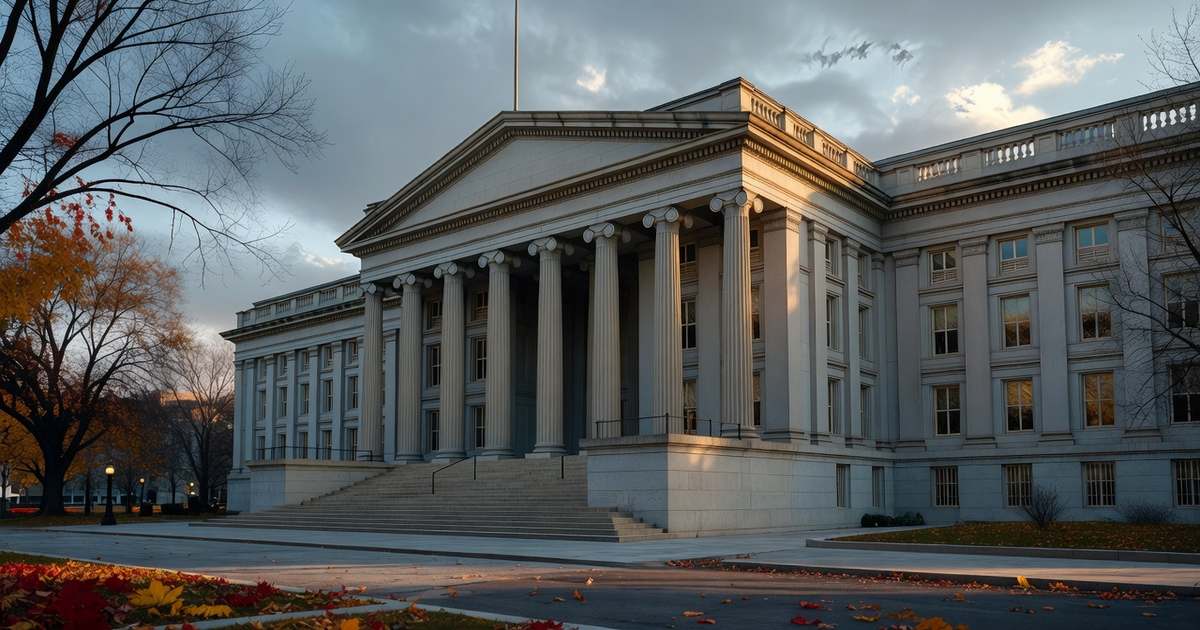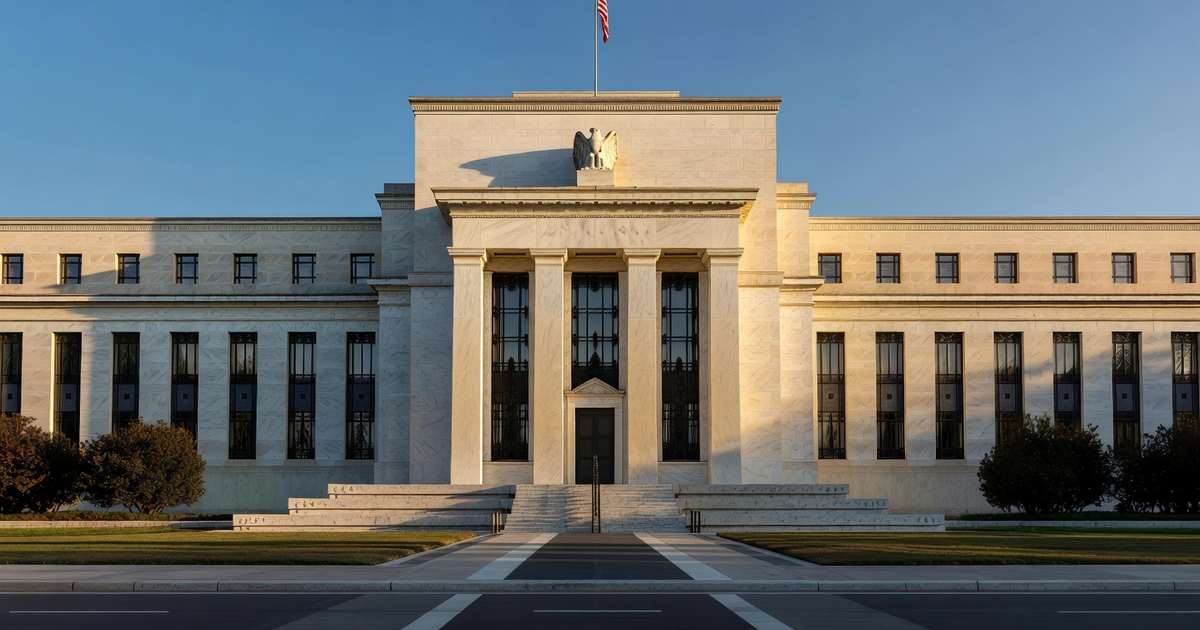
Kevin Warsh took the oath of office as the 11th chair of the Federal Reserve at a White House ceremony on May 22, 2026, capping a seven-week confirmation fight that ended in a 54 to 45 Senate vote, the closest Fed chair confirmation of the modern era. Supreme Court Justice Clarence Thomas administered the oath in the East Room, with President Trump, Cabinet members, and House Speaker Mike Johnson in attendance. Warsh used his brief remarks to commit to a “reform-oriented Federal Reserve” focused on integrity and learning from past mistakes. Five days into the job, his early signals have already nudged rate-cut expectations meaningfully lower for the year. With his first FOMC meeting set for June 16 and 17, borrowers, savers, and mortgage shoppers now face the most consequential leadership transition at the central bank since Jerome Powell took the chair in 2018. Our companion Warsh confirmation analysis and June rate cut outlook covered the road here; the focus now shifts to what changes in the first 100 days.
- Kevin Warsh was sworn in May 22, 2026 as the 11th Fed chair after a 54 to 45 Senate vote.
- Trump opened the East Room ceremony saying he wanted Warsh “totally independent” of the White House.
- Warsh pledged a “reform-oriented Federal Reserve” focused on integrity and policy discipline.
- June 16 to 17 FOMC will be his first meeting and will produce a fresh Summary of Economic Projections.
- Markets now price roughly 65% odds the policy rate holds at 3.50 to 3.75 percent through the end of 2026.
What Just Changed: The Swearing-In and the Reform Pledge
President Trump opened the East Room ceremony on May 22 with an unusual public instruction, telling Warsh he wanted him “totally independent” and adding that the new chair should “do your own thing and do a great job.” Justice Clarence Thomas, joined by Justice Brett Kavanaugh, delivered the oath. Warsh became the first Fed chair sworn in at the White House since Alan Greenspan in 1987, a venue choice that drew attention from independence watchers across both parties.
Warsh’s prepared remarks were brief and pointed. He committed to leading a “reform-oriented Federal Reserve, learning from past successes and mistakes, both escaping static frameworks and models, and upholding clear standards of integrity and performance.” The framing matters. Warsh has spent the post-financial-crisis decade arguing publicly that the central bank’s models miss balance-sheet dynamics and that quantitative easing produced asset-price distortions larger than staff projections captured. He has also signaled that the 2020 to 2022 monetary response ranks among the largest policy misjudgments of the post-Volcker era. That diagnosis is the lens through which every June statement word change will be read.
Inside the Closest Fed Chair Vote in Modern History
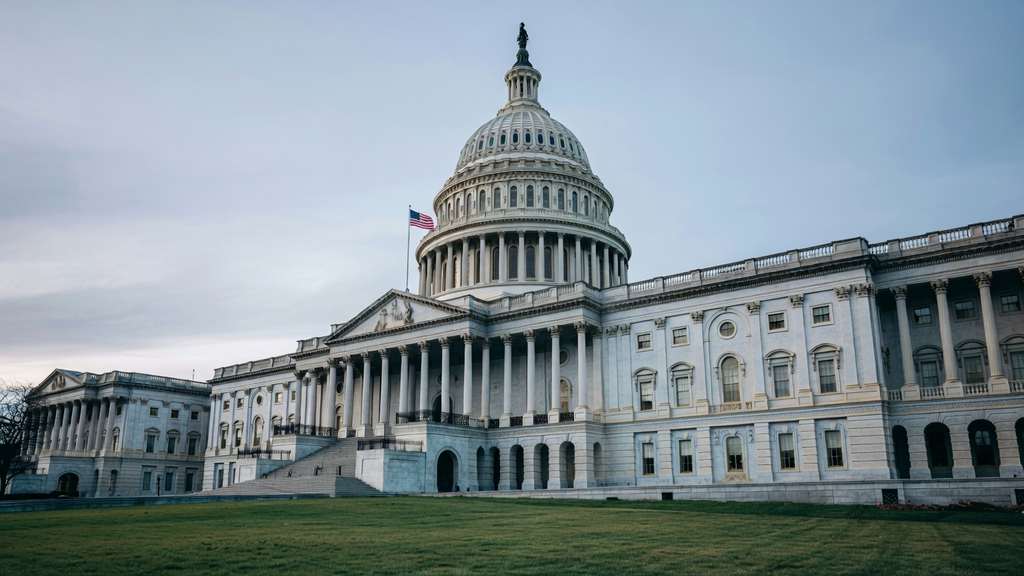
The Senate confirmed Warsh on May 13, 2026 by a 54 to 45 margin, the narrowest confirmation of a Fed chair in the modern era. Jerome Powell was confirmed 84 to 13 in 2018; Ben Bernanke cleared the Senate 70 to 30 for his second term in 2010. The tight result reflects a Senate that has hardened along party lines on monetary policy.
The procedural path was unusually tight. The Department of Justice closed its Eccles Building renovation investigation in late April, lifting Sen. Thom Tillis’s stated blockade. The Senate Banking Committee voted the nomination out the first week of May, and floor cloture cleared on May 12. Powell remained Chair through the May 15 expiration of his term and stepped down on the day Warsh was sworn in. Powell will continue on the Board of Governors through January 2028 unless he resigns. The narrow four-vote cushion shapes how Warsh operates: early-tenure focus will land on operational and communications reforms rather than structural changes that would require fresh legislation.
Why June 17 Is Now the Most Important FOMC of the Year
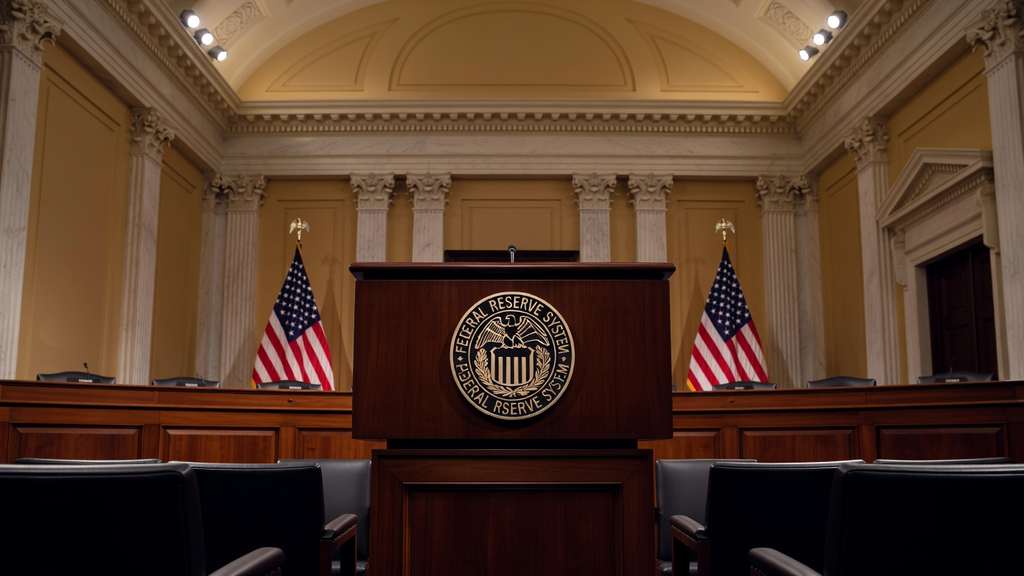
The June 16 and 17 FOMC meeting is the first that Warsh will chair, and it carries three structural features that amplify its importance. It is a Summary of Economic Projections meeting, which means a fresh dot plot showing each participant’s view of the appropriate federal funds rate path through 2028. It is the first decision under a new chair, which historically produces statement-language redlines as the incoming leader stamps the document. And it lands during a stretch in which inflation has reaccelerated to 3.8 percent year over year on the headline CPI while labor-market data have begun softening, a combination that has narrowed the policy lane.
Market-implied odds have shifted sharply since Warsh’s confirmation. CME FedWatch shows the probability of a hold at the current 3.50 to 3.75 percent target range rising from roughly 38 percent in mid-April to about 72 percent as of the May 27 close. The probability of a 25 basis point June cut has fallen from 55 percent to 23 percent over that window. By year-end, markets now place roughly 65 percent odds on the policy rate finishing 2026 in the current range. Watch four things at the June meeting: the statement-language redline against April, the dot plot’s 2026 median (a shift from one cut to zero would mark a meaningful hawkish revision), Warsh’s tone on data dependence versus forward guidance, and any indication that the Committee will accelerate balance-sheet runoff, a longtime Warsh priority flagged at his April 21 confirmation hearing.
What Changes for Your Money
For most household borrowing and saving decisions, the immediate effect of the chair transition is small. The current prime rate stays at 6.75 percent until the Committee moves the federal funds target, which it last reset on December 18, 2025. Credit card APRs indexed to prime stay in the 21 to 24 percent range. Top high-yield savings APYs cluster at 4.00 to 4.20 percent, and 30-year fixed mortgage rates have traded between 6.00 and 6.38 percent for most of May per the Freddie Mac Primary Mortgage Market Survey. None of those numbers move on a leadership change alone.
The medium-term picture is where the transition starts to matter. A Warsh-led Committee that delivers zero cuts in 2026, as markets now expect, means borrowers should plan for elevated rates through at least early 2027. Anyone weighing a refinance, a HELOC payoff, or a fixed-rate auto loan in the next six months should treat current pricing as the working assumption rather than a step on the way down. Our live mortgage rates page and best CD rates page are updated daily and reflect what banks are actually quoting.
Savers should think about this differently. If 2026 cuts do not arrive, the window to lock multi-year yields stays open longer. CDs and Treasury notes in the 12 to 24 month tenor are still pricing roughly 4.20 to 4.55 percent, and the Treasury 10-year yield has hovered between 4.35 and 4.55 percent in May per the Federal Reserve’s H.15 statistical release. For savers willing to ladder maturities, the calendar pressure to act fast has eased. Track the path in our Fed rate forecast 2026 dashboard.
If you have a variable-rate balance (credit card, HELOC, private student loan), do not assume the spring policy environment will deliver relief in 2026. Build your payoff plan around the current APR holding through year-end. If you are sitting on cash you want to lock, CD and Treasury yields in the 1 to 2 year range still cluster above 4.20 percent and would be the first products to reprice lower if a Warsh cut arrives unexpectedly. Watch the June 17 press conference at 2:30 p.m. ET and the July 29 to 30 FOMC for the next statement-language signals.
Frequently Asked Questions
When was Kevin Warsh sworn in as Fed Chair?
Kevin Warsh was sworn in as the 11th chair of the Federal Reserve at a White House ceremony on May 22, 2026. Supreme Court Justice Clarence Thomas administered the oath in the East Room, with Justice Brett Kavanaugh, President Trump, Cabinet members, and House Speaker Mike Johnson in attendance. Warsh succeeded Jerome Powell, whose term as chair expired May 15. The ceremony was the first Fed chair swearing-in at the White House since Alan Greenspan in 1987. Warsh’s brief remarks committed him to leading a reform-oriented Federal Reserve focused on integrity, performance, and learning from past mistakes.
What was the Senate vote on Kevin Warsh’s confirmation?
The Senate confirmed Kevin Warsh on May 13, 2026 by a 54 to 45 margin, the narrowest confirmation vote for a Federal Reserve chair in the modern era. Three Republican senators voted present, and one Democrat crossed party lines to support the nomination. For comparison, Jerome Powell was confirmed 84 to 13 in 2018, and Ben Bernanke cleared the Senate 70 to 30 for his second term in 2010. The tight margin reflects increased partisan polarization around monetary policy and limits Warsh’s political flexibility when pushing controversial Board nominees or institutional reforms that need Senate engagement.
When is Kevin Warsh’s first FOMC meeting?
Kevin Warsh’s first FOMC meeting as chair is scheduled for June 16 and 17, 2026, per the Federal Reserve’s published meeting calendar. It will produce an updated statement, an updated Summary of Economic Projections, a fresh dot plot covering the federal funds rate path through 2028, and a post-decision press conference on the afternoon of June 17 at 2:30 p.m. ET. The meeting is widely viewed as the most important monetary policy decision of the year because it is both the first under a new chair and a quarterly projection meeting.
Will Warsh cut interest rates in 2026?
Market-implied odds suggest the answer is increasingly no. As of the May 27, 2026 close, CME FedWatch placed roughly 65 percent probability on the federal funds target staying at 3.50 to 3.75 percent through the December 2026 meeting, meaning no cuts at all for the rest of the year. The probability of a June 17 cut is about 23 percent, down from 55 percent in mid-April. Warsh’s stated policy preferences (conservative on cuts, skeptical of forward guidance, focused on faster balance-sheet runoff) align with the hawkish repricing.
What does the chair transition mean for mortgage rates?
In the short term, very little. 30-year fixed mortgage rates are set in the secondary mortgage-backed securities market, which prices off the 10-year Treasury yield plus a primary-secondary spread. Neither moves on a chair swearing-in alone. The 10-year Treasury yield closed in the 4.35 to 4.55 percent range for most of May, and Freddie Mac’s Primary Mortgage Market Survey put the 30-year fixed at 6.00 to 6.38 percent. Where Warsh matters is the medium-term path: a Committee that cuts zero times in 2026 makes a sustained mortgage-rate decline less likely.
Is Jerome Powell still at the Fed?
Yes. Jerome Powell stepped down as chair on May 22, 2026 when Warsh was sworn in, but his separate term as a Governor runs through January 2028 unless he resigns. Sitting Fed chairs frequently leave the Board entirely once a successor takes office, but it is not required, and Powell has not publicly signaled his plans. If he stays, he would be one of seven Governors and would vote at every FOMC meeting through the end of his term.
Watching Warsh’s First 100 Days
The next 100 days will define the early shape of the Warsh era. The first triggers to watch are the June 17 statement, dot plot, and press conference, followed by the July 29 to 30 FOMC and Warsh’s first Jackson Hole speech in late August. For ongoing tracking, the current prime rate page, Fed prime rate dashboard, and Fed rate forecast for 2026 are updated continuously. Companion analysis lives in our FOMC dissent watch and Fed hold impact guide.
References
- Board of Governors of the Federal Reserve System. “FOMC Calendars and Information.” federalreserve.gov
- Board of Governors of the Federal Reserve System. “Federal Reserve Statistical Release H.15: Selected Interest Rates.” federalreserve.gov
- U.S. Senate Committee on Banking, Housing, and Urban Affairs. “Hearings.” banking.senate.gov
- CME Group. “FedWatch Tool.” cmegroup.com
- The White House. “Presidential Nominations Sent to the Senate.” whitehouse.gov
- U.S. Bureau of Labor Statistics. “Consumer Price Index Summary.” bls.gov