National Debt Hits Record $40.3 Trillion, Up $133 Billion in Six Days

Total public debt outstanding reached $40,305,316,210,829.72 on October 8, 2026, the first reading ever above $40.3 trillion and up $133.49 billion in six business days.


Total public debt outstanding reached $40,305,316,210,829.72 on October 8, 2026, the first reading ever above $40.3 trillion and up $133.49 billion in six business days.

The federal debt grew $2.46 trillion in fiscal 2026 and closed at $40.097 trillion, the first fiscal year to end above $40 trillion. Here is what it costs.

Federal interest expense reached $1,267.8 billion in eleven months of fiscal 2026, topping all of fiscal 2025, as the average rate on Treasury debt hit a 17-year high.

The Congressional Budget Office said federal debt held by the public would reach 222 percent of GDP in 2056 if interest rates run one percentage point above its baseline, against 175 percent in the baseline itself.

Treasury's 20-year bond auction cleared at a record 5.420 percent with the weakest indirect share since February, and the 10-year closed at 5.00 percent.

The 2-year to 10-year Treasury spread narrowed to 33 basis points on September 11, its tightest since July 1, as the front end repriced before the September 15 and 16 FOMC meeting.

Treasury sold $39 billion of 10-year notes at a 4.834 percent high yield on September 9, 2026, the highest 10-year auction stop since August 2007, on a 2.71 bid-to-cover ratio.
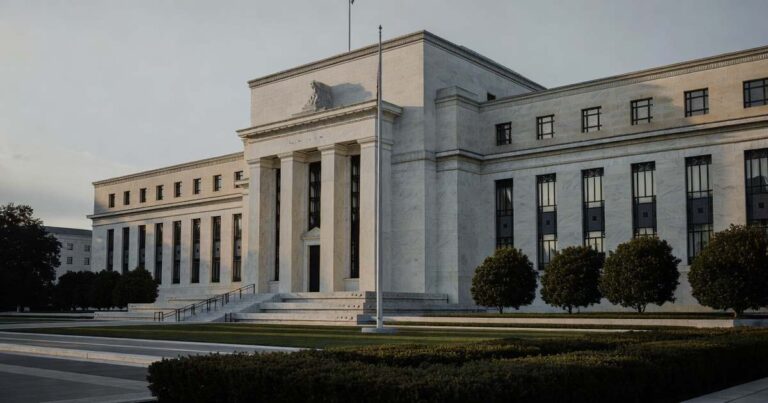
The U.S. prime rate has held at 6.75% for 270 days. After August payrolls rose 162,000, futures price roughly even odds of a hike on September 16.

Fed Governor Christopher Waller said he would back a September hold if August inflation keeps cooling, citing three-month core inflation of 3.05 percent, and a hike if it does not.

Treasury's August 31 six-month bill cleared at 3.885 percent with primary dealers absorbing 40 percent of the sale, their largest share since December 2025.