Oil Above $100 Drives Treasury Yields to 2025 Highs, Lifting Fed Hike Bets
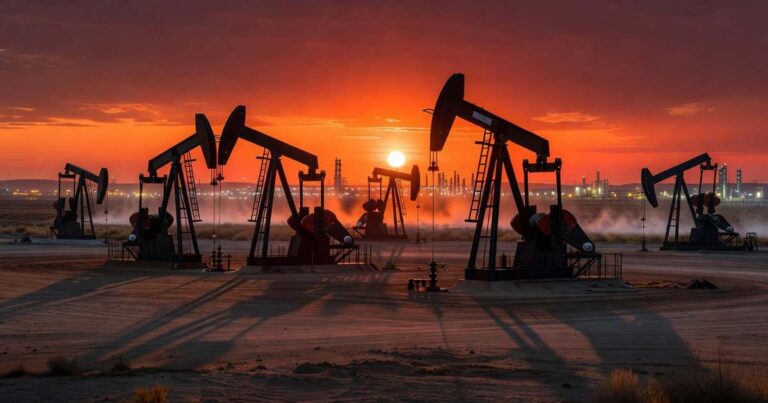
Brent crude topped $100 and the 10-year Treasury yield hit its highest since January 2025, lifting September Fed rate-hike odds to about 82% as prime holds at 6.75%.


Brent crude topped $100 and the 10-year Treasury yield hit its highest since January 2025, lifting September Fed rate-hike odds to about 82% as prime holds at 6.75%.

The 10-year Treasury yield settled at 4.55% on July 17, 2026. Here is what the benchmark is, what moves it, and how it sets your mortgage and loan rates.
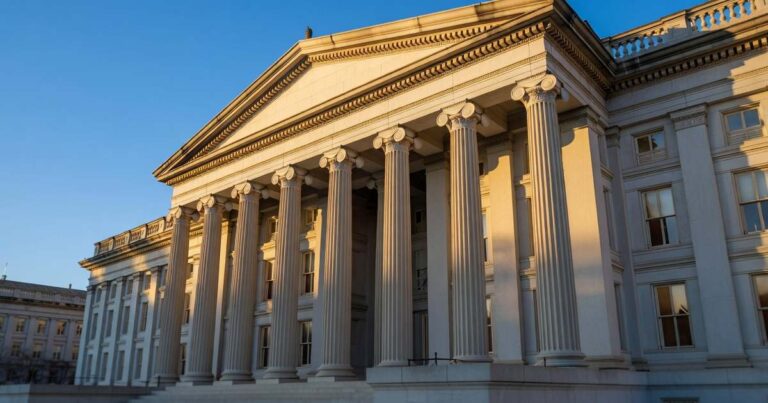
The U.S. national debt closed above $39.5 trillion for the first time on July 16, 2026, finishing at $39.519 trillion after adding $510 billion in 59 days.

June CPI fell 0.4%, the first monthly price decline since April 2020, cutting inflation to 3.5% and hardening the case for a Fed hold on July 28-29.
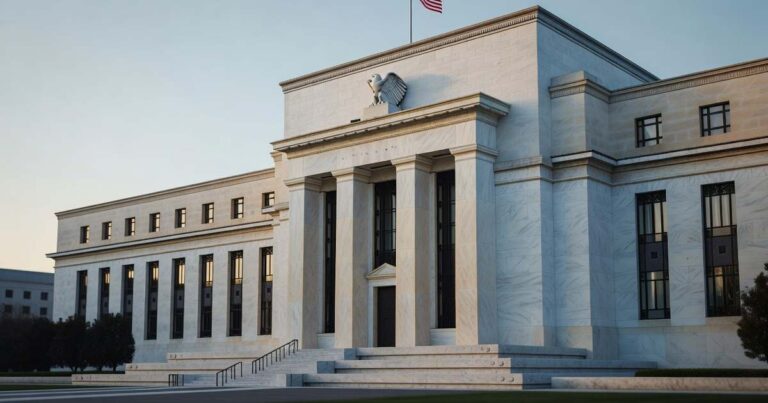
The Fed's first Monetary Policy Report under Chair Kevin Warsh vows to deliver price stability, revives a money supply section, and sets up his July testimony.
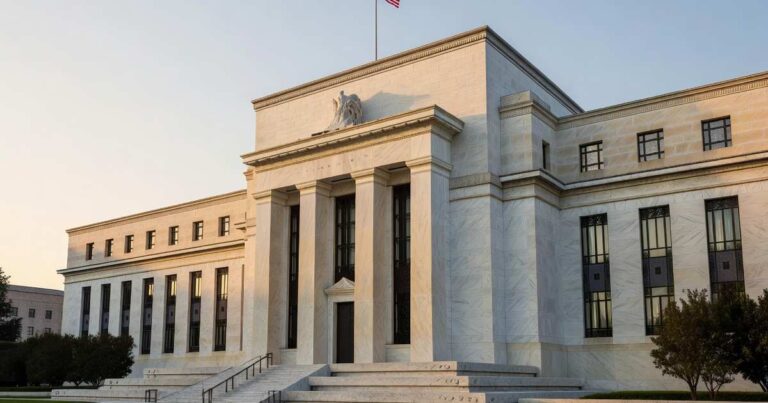
The June FOMC minutes reveal a Fed split between holding and hiking, with a few officials making a case for higher rates as inflation holds near 4 percent.

Eight meetings a year, twelve votes, one 2 p.m. statement. Here is how an FOMC meeting actually works and what the July 28-29 session could mean for your rates.

The U.S. added just 57,000 jobs in June as unemployment held at 4.2%. Revisions erased 74,000 from spring payrolls, cooling talk of a 2026 Fed rate hike ahead of the July FOMC.

The U.S. prime rate is 6.75 percent in 2026, the same as in 1971. Here is how it peaked at 21.5 percent in 1980, fell to 3.25 percent twice, and what it means for your loans.

Long-run inflation expectations fell to 3.3% in June while year-ahead expectations eased to 4.6%, a modest relief for the Fed's hawkish hold at 6.75% prime.