Average Interest Rate on the Federal Debt Hits 3.531% as New Bonds Pay 5.618%

Treasury's blended rate on all interest bearing federal debt reached 3.531% on September 30, the highest since April 2009, while new 30-year bonds cleared 5.618%.


Treasury's blended rate on all interest bearing federal debt reached 3.531% on September 30, the highest since April 2009, while new 30-year bonds cleared 5.618%.

Core PCE inflation held at 3.0% in August while consumer spending jumped 0.9% and the saving rate fell to 4.1%, leaving the Fed a split signal before the October FOMC meeting.

Treasury raised four bill auction sizes on September 24 and will sell $316 billion on Monday and Tuesday, $18 billion more than the same four tenors raised at their most recent sales.
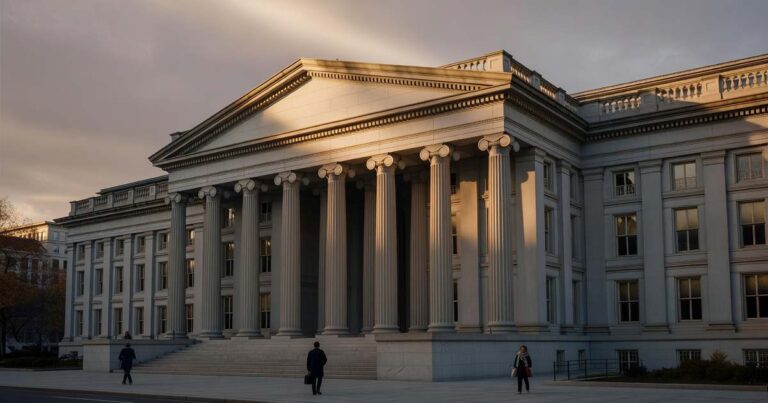
Treasury sold $70 billion of five-year notes at a 5.033% high yield on September 23, the highest since June 2006, with the weakest bid-to-cover since December 2018.

Treasury sold 13-week bills at 3.970 percent and 26-week bills at 4.060 percent on September 14, a 17 basis point weekly jump, as the FOMC opened its two-day September meeting.

Core inflation cooled to 2.4 percent in August, the lowest since March 2021, but a 0.3 percent monthly gain pushed September Fed hike odds above 65 percent.

The Federal Reserve's G.19 release shows consumer credit rose $18.1 billion in July 2026, pushing revolving card balances to a record $1.3572 trillion a week before the September 16 FOMC decision.
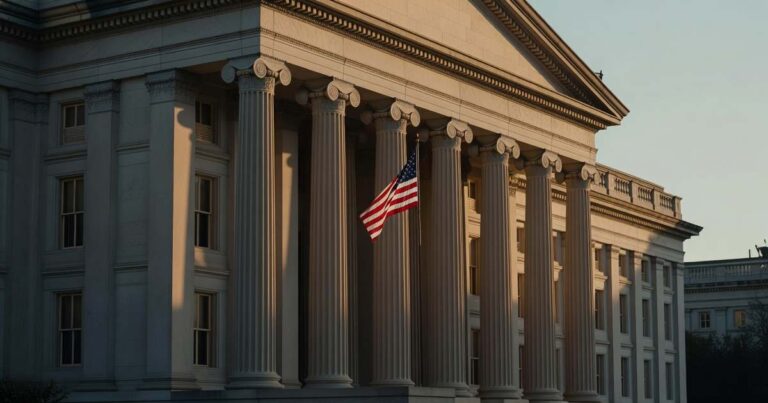
Treasury sells $119 billion of notes and bonds on September 8, 9 and 10 while the Fed observes its pre-meeting blackout. The three-year yields 4.45%.

The Fed's September 2 Beige Book found prices increased moderately in eight of twelve Districts, with the pace unchanged in eight and slower in only three.

The Federal Reserve Board disclosed that four Reserve Bank boards asked for a 4 percent discount rate on July 29, double the number that made the request nine days earlier.