Treasury 20-Year Bond Auction Stops at 5.163%, the Highest of 2026
Treasury's 20-year bond auction stopped at 5.163% on July 22, 2026, the highest of the year and up from 4.927% in June, days before the July 29 Fed decision.


Treasury's 20-year bond auction stopped at 5.163% on July 22, 2026, the highest of the year and up from 4.927% in June, days before the July 29 Fed decision.

Most U.S. credit cards carry a variable APR tied to the 6.75% prime rate. Here is how a Fed decision reaches your statement and what a July 29 hold means.
The two-year Treasury yield fell to 4.13% after June CPI and PPI cooled, trimming the odds of a July Fed rate hike. Here is what lower yields mean for your money.
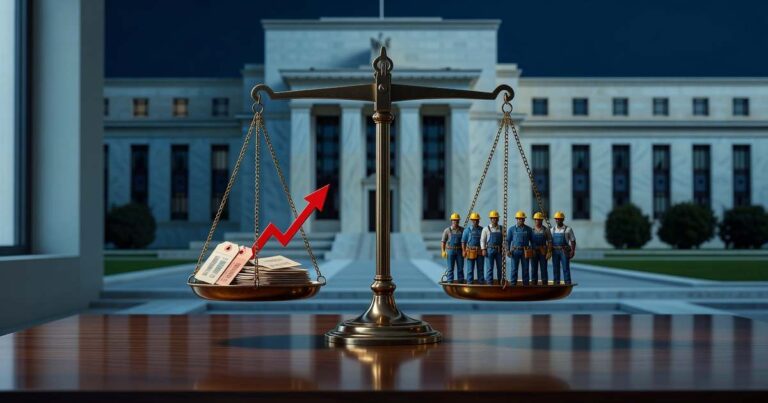
The Fed's dual mandate requires both maximum employment and 2 percent inflation. With core PCE at 3.4 percent and unemployment at 4.2 percent, the two goals now clash.
The Fed has held rates since December, yet the 30-year mortgage sits at 6.49%. Here is how a Fed decision travels through the 10-year Treasury and the spread to your loan.
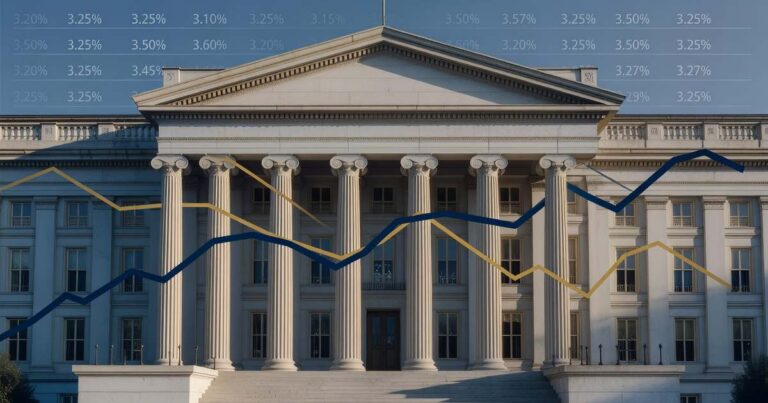
Treasury sold $58 billion of three-year notes at a 4.179% high yield on July 7, 2026, with indirect demand firming and prime steady at 6.75% ahead of the June FOMC minutes.

The U.S. Treasury sold $2.46 trillion across 37 auctions in June 2026. Here is how Treasury auctions actually work, who buys, and how results reach your rates.

ADP said private employers added just 98,000 jobs in June, below the 110,000 consensus and down from 122,000 in May, sharpening the Fed's July 28 to 29 rate decision.
The Federal Reserve's balance sheet held near $6.74 trillion on June 24, 2026, after quantitative tightening ended in December. Here is what it means for your rates.
Treasury sold $44 billion of seven-year notes June 25 at a 4.260% high yield and 2.50 bid-to-cover, with indirect demand cooling to 57.6% as domestic direct bidders stepped in.