The Federal Reserve’s Beige Book, published September 2, found that prices increased moderately in eight of the twelve Federal Reserve Districts, with two reporting modest increases, one slight and one robust. Measured against the July edition, the pace of price increases held steady in eight Districts, slowed in three and quickened in one. The survey was prepared by the Federal Reserve Bank of Minneapolis from information collected on or before August 24, and it is the last broad read on regional conditions the Federal Open Market Committee will have before it meets September 15 and 16. Economic activity increased modestly overall. Ten of the twelve Districts reported growth in the slight to moderate range and two reported no change. Employment rose very slightly, with five Districts reporting no change at all. The report lands with the prime rate at 6.75% and the federal funds target range at 3.50% to 3.75%, both unchanged since the Committee’s 9 to 3 vote on July 29. Three policymakers dissented that day in favor of a quarter point increase, and this Beige Book gives them little reason to soften that view. See our Fed rate forecast for the full path.
- Prices rose moderately in eight of twelve Federal Reserve Districts, robustly in one and only slightly in one.
- The pace of price increases was unchanged in eight Districts, slower in three and faster in one.
- Economic activity increased modestly. Ten Districts reported slight to moderate growth and two reported no change.
- Employment rose very slightly. Five of the twelve Districts reported no change in employment at all.
- Prime holds at 6.75% into the September 15-16 FOMC meeting.
What Changed: Prices Moderate Across Most Districts
The price section of the September 2 Beige Book is the part the Federal Open Market Committee reads first. Eight of the twelve Districts described price increases as moderate. Two called them modest, one called them slight, and one, the St. Louis District, called them robust and said the increases were widespread. Set against the July edition, the pace was the same in eight Districts, decreased in three and increased in one. That distribution describes inflation holding its ground rather than receding. Headline consumer prices rose 3.4% in the twelve months through July and the core index that strips out food and energy rose 2.5%, both still above the Committee’s 2% goal.
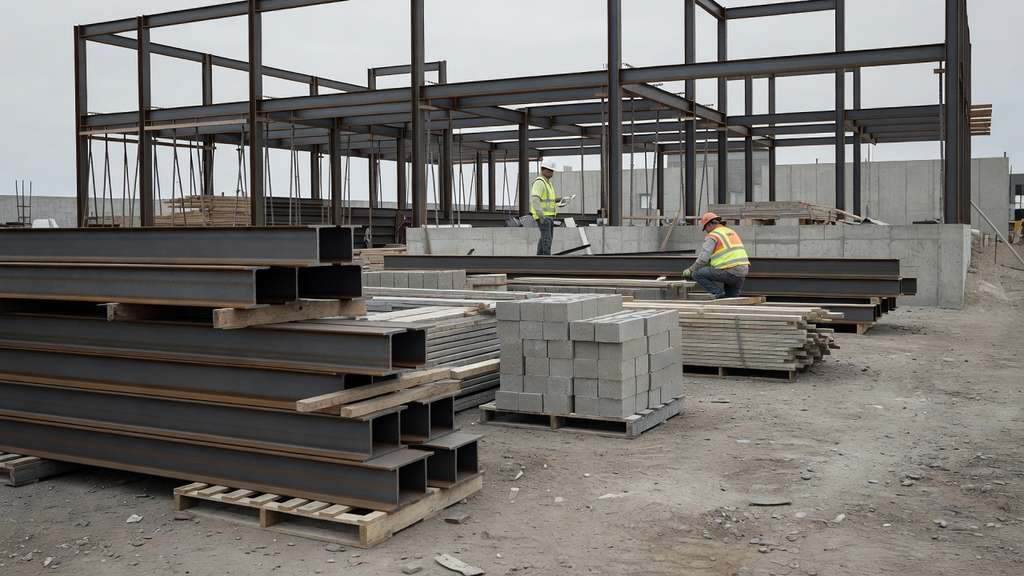
Where the pressure starts is unusually specific this time. The Fed reported that input price pressures were notably elevated in manufacturing and construction across multiple Districts, with widespread reports of price increases for energy, transportation and raw materials, particularly metals and petrochemicals. Retail and manufacturing contacts continued to flag tariff-related impacts. Firms also broadly reported significant health care and insurance cost pressures, a cost line that does not answer to interest rates at all. The one counterweight came from the demand side. Consumer-facing contacts in a few Districts said heightened price sensitivity among customers was limiting their ability to pass input costs through to shelf prices.
Where Costs Are Climbing Fastest
The District summaries show the split. St. Louis reported that prices have risen at a robust pace and were widespread, and tied the pressure to uncertainty, supply chain disruptions and high fuel costs connected to the Middle East conflict. Dallas said prices rose moderately to robustly, with growth picking up in manufacturing, banking and energy. Cleveland reported that nonlabor costs remained robust for the tenth consecutive period while consumer spending declined for the fourth consecutive period, a combination that squeezes margins from both ends. Kansas City said cost pressure prompted more frequent price adjustments, meaning firms there are repricing on shorter cycles.
The cooler readings came from the coasts and the mid-Atlantic. San Francisco reported prices rising modestly and wages increasing only slightly. Philadelphia said firm price inflation edged down to a modest pace. New York reported that selling price increases eased slightly but remained moderate even as input prices rose strongly, which is the pass-through gap in a single sentence. Boston described prices rising slightly and flagged growing concern about the effect of inflation on consumer budgets. Auto sales were mostly subdued nationally, dampened by downbeat consumer confidence, high fuel prices and rising financing costs, three forces the Beige Book named together.
A Labor Market That Barely Moved
Employment rose very slightly overall. Three Districts showed modest gains, four reported slight gains and five reported no change at all. Eight Districts saw their pace of employment growth shift from the previous report, though the Fed noted less overall dispersion among Districts than last time. Healthy labor demand showed up most often in manufacturing, construction and some service sectors, while retail and hospitality saw labor demand fall. The national unemployment rate stood at 4.1% in July. A labor market this static removes the argument that the Committee needs to cut to protect employment.

Wage growth was modest to moderate in most Districts. The largest increases were tied to demand for skilled workers in construction and manufacturing, the same two sectors reporting the sharpest input cost pressure. Labor availability was mixed, with skilled trades and technical workers difficult to find. Kansas City went further and called labor the top growth constraint in its District as hiring difficulties broadened. Districts also reported both positive and negative effects of artificial intelligence on labor demand. For a Committee weighing an increase rather than a cut, none of this reads as a job market that would break under higher rates.
What Changes for Your Money
Nothing in the Beige Book changes a rate today. The report is evidence, not a decision. What it does is shape the odds for September 15 and 16, and those odds are already visible in the Treasury bill market. On August 27 Treasury sold four-week bills at 3.650% and eight-week bills at 3.670%. On September 1 it sold 52-week bills at 3.980% with a bid-to-cover ratio of 3.61, and on September 2 it sold 17-week bills at 3.855%. That climb of 33 basis points from the four-week tenor to the one-year tenor is the market pricing a policy rate that ends the next twelve months higher than it starts.
Split your own decisions by what each product tracks. The prime rate is frozen at 6.75% until the Committee moves, so variable credit card APRs and home equity lines will not change before September 16 no matter what this survey said. Mortgage rates follow the ten-year Treasury, which closed at 4.79% on September 1, and the 30-year average sat at 6.66% in the week ending August 27. CD rates and savings rates track intermediate Treasury yields and reprice on a lag of several weeks. Personal loan pricing sits between the two.
If you have been waiting for a signal before locking a deposit rate, this report is one. The Beige Book gave the three dissenting policymakers no reason to retreat, and the bill curve is already priced for a higher policy rate a year out. Deposit specials reprice two to four weeks behind the Treasury market, so an advertised CD rate today reflects yields from the middle of August. Locking a term before September 16 removes the guesswork about which direction the Committee moves.
Frequently Asked Questions
What did the Fed’s September 2026 Beige Book say about prices?
The Beige Book released September 2, 2026 reported that prices increased moderately in eight of the twelve Federal Reserve Districts, modestly in two, slightly in one and robustly in one. Against the prior report, the pace was unchanged in eight Districts, slower in three and faster in one.
Will Kevin Warsh raise interest rates?
Chair Warsh has not committed to a move, and the Federal Open Market Committee sets the rate by vote rather than by the Chair alone. At the July 29 meeting the Committee held the target range at 3.50% to 3.75% by a 9 to 3 vote. Beth Hammack, Neel Kashkari and Lorie Logan dissented in favor of a quarter point increase. The September 2 Beige Book showed the pace of price increases holding steady in eight Districts, which does not weaken that dissenting case. The next scheduled decision comes September 16.
Will the Fed drop interest rates again in 2026?
No cut is on the table right now. The direction of the internal debate has run toward higher rates, not lower ones. Three of the voting members preferred an increase at the July meeting and none preferred a cut. Inflation stayed above the Committee’s 2% goal in July at 3.4% headline and 2.5% core. The September 2 Beige Book described prices rising moderately across most Districts. A cut would require a clear break in either inflation or employment, and this report showed neither.
What are the expected interest rates for 2026?
The prime rate is 6.75% and the federal funds target range is 3.50% to 3.75% as of September 1, 2026. Neither has moved since July 29. What the market expects is readable in Treasury bills. Treasury sold four-week bills at 3.650% on August 27 and 52-week bills at 3.980% on September 1, a gap of 33 basis points. That upward slope means investors are pricing a policy rate that sits higher a year from now rather than lower.
How does the Beige Book affect my credit card APR?
Not directly, and not on any schedule you can watch. Your variable APR is the prime rate plus a margin your issuer assigned when you opened the account. Prime moves only when the Federal Open Market Committee changes the federal funds target range, which it did not do on July 29. The Beige Book is one input the Committee reads before voting. If the September 16 decision raises the target range by a quarter point, prime goes to 7.00% and your APR follows within one or two statement cycles.
Should I lock a rate before the September Fed meeting?
It depends on which side of the rate you sit. Borrowers taking a fixed rate today are locking near the high end of the 2026 range, since the ten-year Treasury closed at 4.79% on September 1 and the 30-year mortgage average was 6.66% in the week ending August 27. Savers face the mirror image and can lock a deposit term near that same high. Anything priced off prime will not change before September 16 either way, so there is nothing to time there.
Watching the September Calendar
The Federal Open Market Committee meets September 15 and 16, its first decision since the July hold. Between now and then the August jobs report and the August consumer price index both print, and each carries more weight with the Committee than a survey of anecdotes. What the Beige Book settled is that regional conditions will not hand the doves an argument. Track the Fed meeting schedule, the inflation tracker and interest rates today for the numbers as they land.
References
- Beige Book, National Summary. Federal Reserve Board. Released September 2, 2026; information collected on or before August 24, 2026.
- FOMC Statement, July 29, 2026. Federal Reserve Board. Target range held at 3.50% to 3.75% on a 9 to 3 vote.
- H.15 Selected Interest Rates. Federal Reserve Board. Bank prime loan rate and Treasury constant maturity yields through September 1, 2026.
- FOMC Meeting Calendar. Federal Reserve Board. September 15-16, 2026 meeting dates.
- Auction Results. TreasuryDirect. Bill auctions dated August 27, September 1 and September 2, 2026.
- Debt to the Penny. U.S. Treasury Fiscal Data. Daily close for September 1, 2026.
- Consumer Price Index, All Urban Consumers. FRED. Twelve-month change through July 2026.
- 30-Year Fixed Rate Mortgage Average. FRED. Week ending August 27, 2026.