
- You can get a business loan with a 500 credit score — Fundible, Credibly, OnDeck, and Expansion Capital Group all work with scores in the 500-625 range
- Expect to pay significantly more: bad-credit business loans carry rates of 15-40%+ compared to 7-13% for good-credit borrowers with banks or SBA lenders
- SBA microloans ($500-$50,000) through nonprofit intermediaries offer the most favorable terms for low-credit borrowers, with rates of 8-13% and relaxed credit requirements
- Revenue and cash flow matter more than your credit score to alternative lenders — most require $8,000-$10,000/month in revenue and 6+ months in business
- Avoid merchant cash advances unless it’s a true emergency — factor rates of 1.1-1.5 translate to effective APRs of 40-150%, making them the most expensive capital on the market
- What Bad Credit Means for Business Borrowing
- Best Lenders for Bad Credit Business Loans
- Bad Credit Business Loan Comparison Table
- Loan Types That Work With Poor Credit
- How to Qualify When Your Score Is Low
- Financing to Avoid With Bad Credit
- How to Improve Your Score While You Borrow
- Frequently Asked Questions
What Bad Credit Means for Business Borrowing
When lenders see a personal credit score below 580, they see risk — and they price accordingly. Traditional banks won’t even look at your application below 680 in most cases. SBA lenders generally want 650+. That leaves alternative online lenders and specialized products as the realistic path for the roughly 16% of small business owners whose personal credit falls in the “poor” category.
Here’s what that risk premium looks like in dollar terms. A business owner with a 720 score might qualify for an SBA term loan at 10% APR. That same owner with a 520 score is looking at 25-40%+ from an online lender — on a $50,000 loan over 2 years, the difference is $8,000-$18,000 in additional interest. The math is painful, but it’s still dramatically better than not having capital at all when your business needs it to survive or grow.
The landscape has shifted in favor of bad-credit borrowers over the past few years. Fintech lenders like Fundible and OnDeck have built underwriting models that weight revenue, cash flow consistency, and time in business alongside (or even above) credit scores. A business generating $15,000/month with steady deposits looks fundable to these lenders even if the owner’s personal credit took a hit from a medical bill, divorce, or the pandemic-era disruptions that cratered millions of credit profiles. Your score tells one story — your bank statements tell another, and increasingly, alternative lenders are reading both.
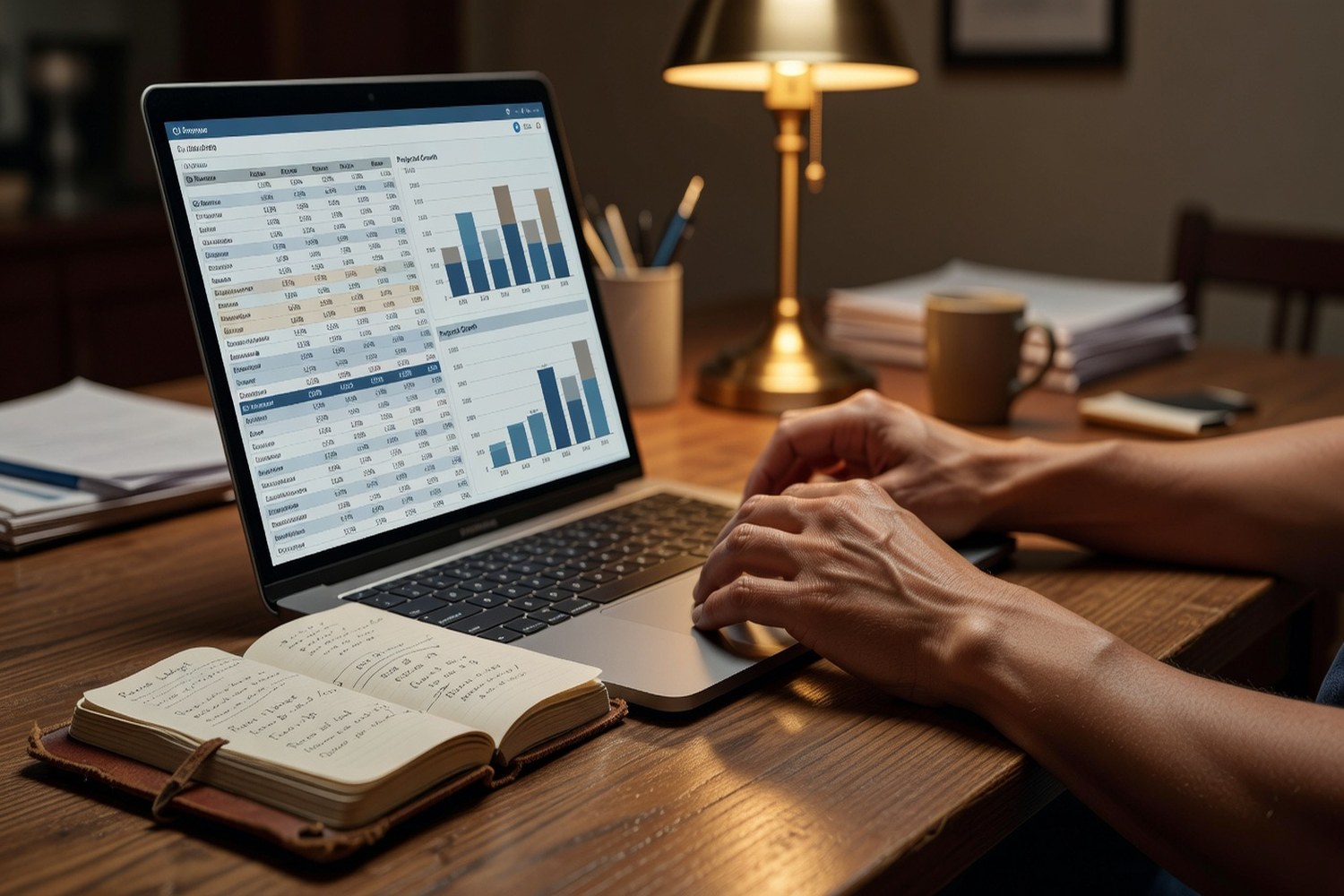
Alternative lenders evaluate your business revenue and cash flow — not just your credit score — when making approval decisions.
Best Lenders for Bad Credit Business Loans
Fundible is the strongest overall option for bad-credit business owners. Minimum score of 500 (representatives have confirmed they work with scores as low as 450), with products including equipment financing, business lines of credit, bridge loans, and invoice financing. Minimum annual revenue of $96,000 ($8,000/month) and 6 months in business. Rates are reasonable for the bad-credit segment, and funding can happen within 24-48 hours. The breadth of products means you can find the right structure for your specific need, not just a one-size-fits-all term loan.
OnDeck has been lending to small businesses since 2007 and has originated over $15 billion in loans. Minimum score of 625, annual revenue of $100,000+, and 1 year in business. OnDeck offers term loans from $5,000-$250,000 and lines of credit up to $100,000. What sets OnDeck apart is transparency — they show you a clear breakdown of total cost, and repayment terms are straightforward. Daily or weekly automatic repayments keep you on track without the temptation to skip payments.
Credibly works with borrowers at 500+ credit scores and offers both working capital loans and merchant cash advances. Loan amounts from $5,000-$600,000 with terms from 6-24 months. Credibly’s prequalification process is fast — you can get a decision within hours. The trade-off is cost: rates on the higher end for borrowers at the bottom of the credit range. But for business owners who need capital within 24-48 hours and can demonstrate consistent revenue, Credibly delivers.
SBA Microloans (through nonprofit intermediaries) are the hidden gem of bad-credit business financing. The SBA provides funds to nonprofit community lenders (like Accion, Grameen America, and local CDFIs) who then issue microloans up to $50,000 at rates of 8-13%. Many of these intermediaries focus on traditionally underserved entrepreneurs — women, minorities, veterans, and yes, business owners with poor credit. They also provide mentorship and business training alongside the financing. The downside: funding takes 30-90 days, and loan amounts are smaller. But the rates are a fraction of what online lenders charge.
Kiva is unlike any other lender on this list. It’s a nonprofit lending platform where you crowdfund a 0% interest loan of up to $15,000. No credit check, no fees, no interest. You start by inviting your personal network (friends, family, colleagues) to fund part of the loan, then Kiva’s broader community of lenders funds the rest. The catch: you need to raise at least a portion from your own network within 15 days, and loan amounts max out at $15,000. But for a startup or early-stage business that needs a small capital injection without the weight of high-interest debt, Kiva is genuinely life-changing.
Bank of America Cash-Secured Line of Credit is the best credit-building tool for business owners planning ahead. Open a credit line backed by a cash deposit of $1,000+, use it for business expenses, and build your business credit profile. The security deposit acts as your credit limit. This isn’t a solution for immediate capital needs, but it’s the smartest long-term play for a business owner who wants to qualify for better financing in 12-18 months.
Bad Credit Business Loan Comparison Table
| Lender | Min. Score | Loan Amount | Rate / Cost | Speed | Best For |
| Fundible | 500 | $5K-$500K | Competitive for segment | 24-48 hrs | Multiple product options |
| OnDeck | 625 | $5K-$250K | Transparent pricing | 1-3 days | Established businesses |
| Credibly | 500 | $5K-$600K | Higher end | 24-48 hrs | Fast prequalification |
| SBA Microloans | Flexible | $500-$50K | 8-13% | 30-90 days | Best rates, mentorship |
| Kiva | None | Up to $15K | 0% interest | 2-4 weeks | Startups, small amounts |
| BofA Cash-Secured | Low | $1K+ (deposit-based) | Low (secured) | 1-2 weeks | Credit building |
As of March 2026. Actual rates and terms depend on credit, revenue, time in business, and loan type. Contact lenders directly for current offers.
Loan Types That Work With Poor Credit
Short-term business loans (6-24 months). These are the bread and butter of bad-credit business lending. You get a lump sum, make daily or weekly automatic payments from your business account, and the loan is paid off in 6-24 months. Rates run 15-35% APR for borrowers in the 500-600 score range. The short term limits total interest cost — even at 25%, a $30,000 loan repaid over 12 months costs about $4,100 in interest. That’s expensive, but it’s a defined cost with a clear end date.
Business lines of credit. Draw what you need, pay interest only on what you use, and the credit revolves as you repay. OnDeck, Fundbox, and Bluevine all offer lines of credit to lower-credit borrowers. Rates run 15-25% for bad-credit business owners, with credit limits from $5,000-$100,000. Lines of credit work best for managing cash flow gaps — slow weeks, seasonal dips, or waiting for invoices to clear. Don’t use a line of credit for long-term capital investment; the variable nature of the draw makes cost planning difficult.
Invoice factoring. If you’re a B2B business with outstanding invoices, factoring lets you sell those invoices to a factoring company for immediate cash — typically 80-90% of the invoice value. The factoring company collects from your customer, then sends you the remaining balance minus their fee (1-5% per invoice). Your credit score barely matters because the factoring company is evaluating your customers’ creditworthiness, not yours. AltLINE factors up to $5 million per month with no minimum credit score requirement.
Equipment financing. The equipment you’re buying serves as collateral, which dramatically reduces the lender’s risk — and your rate. Even with a 550 credit score, equipment loans typically run 8-15% APR because the lender can repossess the equipment if you default. eLease specializes in equipment financing for low-credit borrowers and works with startups. If you need a truck, machinery, commercial kitchen equipment, or technology, equipment financing is almost always cheaper than a general-purpose loan at bad-credit rates.
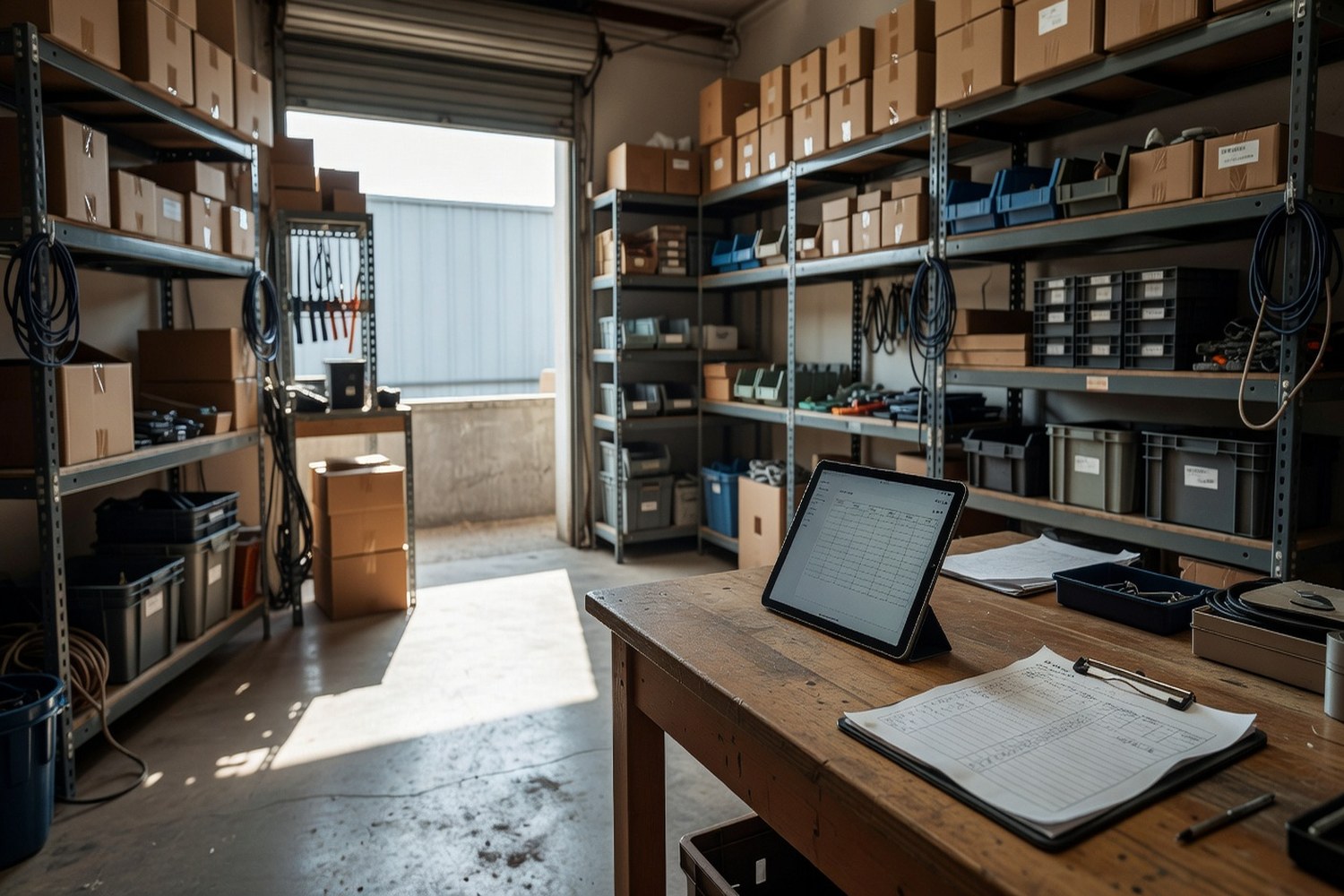
Equipment financing uses the purchased equipment as collateral — making it one of the cheapest financing options for bad-credit business owners.
How to Qualify When Your Score Is Low
Revenue is your strongest qualification factor. Alternative lenders care more about your bank account than your credit report. Consistent monthly deposits of $8,000-$15,000+ demonstrate that your business generates enough cash to service debt. Before applying, review your last 3-4 months of bank statements and make sure they tell a clean story: steady deposits, no overdrafts, and a positive ending balance each month. Some business owners intentionally run revenue through their business account for 2-3 months before applying to build a stronger deposit history.
Time in business reduces risk in the lender’s eyes. Most alternative lenders want 6+ months of operating history. SBA microloans are available to startups, but online lenders generally aren’t. If you’re at 4-5 months, waiting another 1-2 months to cross the 6-month threshold can open up significantly more options and potentially better rates.
Have your documents ready before you apply. Bad-credit applications get more scrutiny, so the faster you can provide documentation, the smoother the process. Prepare: 3-4 months of business bank statements, most recent business tax return (if you have one), profit-and-loss statement, government-issued ID, and proof of business ownership (articles of incorporation, DBA filing, or business license). Some lenders also request a brief explanation of why your credit is low — a medical emergency, pandemic-era disruption, or divorce is far more understandable to underwriters than chronic mismanagement.
Start small and build. If you can’t qualify for $50,000, apply for $10,000-$15,000. Make every payment on time for 6-12 months. Many online lenders offer larger follow-up loans to returning borrowers at improved rates. OnDeck, for example, frequently increases credit limits and reduces rates for repeat customers who demonstrate repayment reliability. Think of the first loan as an audition — prove yourself, and the terms get better.
Financing to Avoid With Bad Credit
Merchant cash advances (MCAs) — use only as a last resort. An MCA gives you a lump sum in exchange for a percentage of your daily credit/debit card sales plus a fee. Factor rates of 1.1-1.5 translate to effective APRs of 40-150%+. On a $50,000 advance with a 1.3 factor rate, you repay $65,000 — $15,000 in fees. The daily automatic deductions from your merchant account can strangle cash flow during slow periods. MCAs are technically not loans (they’re purchases of future receivables), which means they often dodge state usury laws. Use them only for genuine emergencies when no other financing is available.
“Guaranteed approval” lenders. No legitimate lender guarantees approval without reviewing your financials. This phrase is a marker for advance-fee scams (pay $500 upfront, then the lender disappears) or bait-and-switch operations where the “guaranteed” product carries APRs of 100%+. Real lenders offer pre-qualification with a soft credit pull — they never charge upfront fees just to process an application.
Stacking multiple high-interest loans. When one expensive loan isn’t enough, some business owners take a second or third. This is called “stacking,” and it’s a fast path to cash flow collapse. If you’re already repaying $1,500/month on a high-interest loan, adding another $1,200/month in payments doesn’t solve the underlying problem — it accelerates it. If one loan isn’t covering your needs, either negotiate with the existing lender for a larger amount or step back and reassess whether the business model can support the debt load.
How to Improve Your Score While You Borrow
Choose lenders that report to credit bureaus. Not all alternative lenders report your payment activity to Experian, Equifax, or TransUnion. If building credit is a secondary goal (and it should be), confirm that your lender reports to at least one bureau. On-time payments on a reported business loan can boost your personal credit by 20-40 points over 12 months. OnDeck reports to business credit bureaus (Dun & Bradstreet, Experian Business), which helps build your business credit profile separately from personal credit.
Separate business and personal finances completely. Get a dedicated business checking account and business credit card. Run all business revenue and expenses through business accounts. This creates a clean financial trail that lenders can evaluate independently, and it prevents business expenses from inflating your personal credit utilization — one of the biggest score-killers for business owners who commingle funds.
Pay down personal credit card balances below 30% utilization. If your personal credit cards are maxed out (which is common for business owners who’ve been bootstrapping), paying them below 30% utilization can boost your FICO score by 30-50 points within one billing cycle. On a $5,000 credit limit, that means getting the balance below $1,500. This single action is the fastest path to qualifying for better business loan terms on your next application.
Dispute errors on your credit report. Pull your free reports from AnnualCreditReport.com and check for inaccuracies — paid collections still showing as open, accounts that aren’t yours, or incorrect balances. The FTC estimates that 1 in 5 credit reports contains an error. Disputing and correcting even one error can improve your score meaningfully, and disputes typically resolve within 30 days.
Frequently Asked Questions
Can I get a business loan with a 500 credit score?
Yes. Fundible, Credibly, and Expansion Capital Group all accept scores at 500. Kiva requires no credit check at all for loans up to $15,000. SBA microloans through nonprofit intermediaries have flexible credit requirements. Expect higher rates (15-40%) from online lenders at this score level.
What type of business loan is easiest to get with bad credit?
Invoice factoring is the easiest because approval depends on your customers’ credit, not yours. Equipment financing is next — the equipment serves as collateral, reducing lender risk. Short-term loans from alternative lenders are the most common option, requiring primarily revenue and time in business rather than a specific credit score.
How much do bad credit business loans cost?
Expect APRs of 15-40%+ from online lenders, compared to 7-13% from banks and SBA lenders. On a $50,000 loan over 18 months, a 25% APR costs roughly $10,600 in interest. Merchant cash advances are even more expensive, with effective APRs often exceeding 50%. SBA microloans offer the best rates at 8-13%.
Do business loans check personal credit?
Most do. Lenders typically evaluate the business owner’s personal FICO score, especially for businesses under $1 million in revenue. A few exceptions: Kiva (no credit check), invoice factoring companies (evaluate customer credit), and some MCA providers like Giggle Finance. Even lenders that check credit may weigh revenue and cash flow more heavily.
How can I improve my chances of getting approved?
Strengthen your bank statements (consistent deposits, no overdrafts), have 6+ months in business, prepare all documentation upfront, apply for modest amounts, and consider offering collateral or a co-signer. SBA microlenders and CDFIs are more lenient than online lenders and charge lower rates.
References
- U.S. Small Business Administration, “SBA Microloan Program,” sba.gov
- Federal Reserve Banks, “Small Business Credit Survey,” fedsmallbusiness.org
- CFPB, “What Is a Merchant Cash Advance?” consumerfinance.gov
- FTC, “Free Credit Reports,” ftc.gov
Keep Reading
- Best Business Loans: Compare Rates & Apply Online
- SBA Loans: Compare 7(a), 504 & Microloan Programs
- Emergency Business Loans: Fast Funding When Time Is Critical
- Small Business Loans for Women With Bad Credit
- Best Long-Term Business Loans: 3, 5, and 10+ Year Options
Rates and terms are subject to change. This is not financial advice. All information is for educational and comparison purposes only. Verify current rates directly with each lender before committing to any business financing agreement.