The landscape of borrowing is shifting beneath our feet as we approach 2026. Interest rates, those seemingly abstract percentages that dictate the cost of money, are poised to reshape how Americans finance everything from homes to education. The Federal Reserve’s monetary policy decisions ripple through the economy, touching every loan application, credit card statement, and mortgage payment.
Understanding these changes isn’t just about following financial news—it’s about protecting your wallet and making smarter borrowing decisions. Whether you’re planning to buy your first home, refinance existing debt, or take out a personal loan, the interest rate environment of 2026 will directly impact your financial future. This article breaks down what’s happening with rates and, more importantly, what it means for your money.
How 2026 Rate Changes Will Affect Your Loans
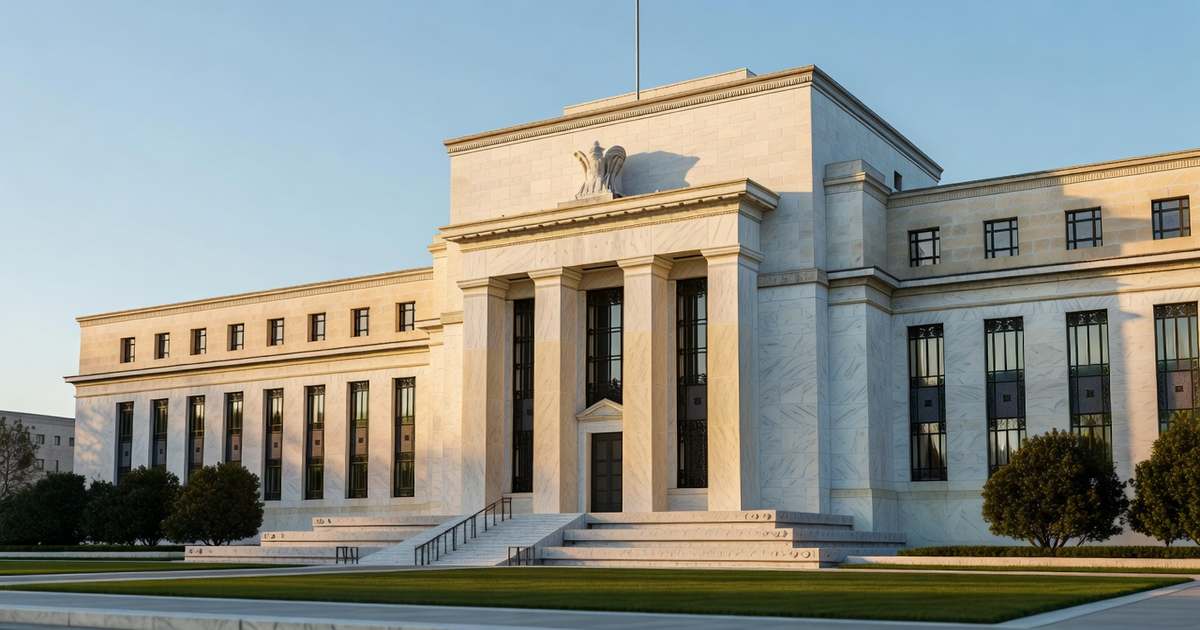
The Federal Reserve’s approach to interest rates in 2026 will fundamentally alter the borrowing landscape for millions of Americans. Economic forecasters predict a continued normalization of rates after years of volatility. This means borrowers should prepare for a more stable but potentially higher-rate environment than what many experienced during the pandemic era. The days of rock-bottom mortgage rates and ultra-cheap personal loans appear to be firmly in the rearview mirror.
Mortgage seekers will feel these changes most acutely. A single percentage point increase in mortgage rates can add hundreds of dollars to monthly payments on a typical home loan. For a $400,000 mortgage, the difference between a 6% and 7% rate translates to roughly $240 more per month—nearly $3,000 annually. First-time homebuyers, already struggling with elevated home prices, face a dual challenge of affordability. The combination of high property values and elevated interest rates creates a significant barrier to homeownership for millennials who delayed buying during the pandemic.
Auto loans and personal loans will also reflect the changing rate environment. Banks and credit unions typically price these products based on the federal funds rate plus a margin that accounts for risk. As benchmark rates shift, lenders adjust their offerings accordingly. Consumers with excellent credit scores will still access competitive rates, but those with average or below-average credit may find borrowing increasingly expensive. This disparity highlights the growing importance of maintaining strong credit health in a higher-rate world.
Credit Cards and Variable-Rate Debt
Credit card interest rates have already climbed to record highs, and 2026 could see this trend continue. The average credit card APR hovers around 20-24%, making revolving debt one of the most expensive forms of borrowing. Unlike fixed-rate loans, credit card rates adjust relatively quickly to Federal Reserve changes. Cardholders carrying balances month-to-month will see their interest charges increase with each rate hike.
Variable-rate loans, including many student loans and home equity lines of credit, face similar pressures. These products reset their rates periodically based on underlying benchmarks like the prime rate or SOFR (Secured Overnight Financing Rate). Borrowers who locked in variable rates when they were low may experience payment shock as adjustments occur. Financial advisors increasingly recommend evaluating whether refinancing to fixed-rate products makes sense, despite potentially higher initial rates.
The psychological impact of rising rates shouldn’t be underestimated. Many millennials entered their peak earning years during an unprecedented era of low rates. The adjustment to a normalized rate environment requires a shift in financial planning and expectations. Budgets must account for higher borrowing costs, and the calculus around taking on debt becomes more complex.
Federal Reserve Policy Shifts Shape Borrowing
The Federal Reserve’s dual mandate—maximum employment and stable prices—drives its interest rate decisions. Throughout 2024 and 2025, the Fed navigated the delicate balance between controlling inflation and supporting economic growth. By 2026, the central bank’s policy stance will reflect how successfully it managed these competing priorities. Current projections suggest rates will stabilize at levels higher than the 2010s but lower than historical norms from the 1990s and early 2000s.
Jerome Powell and the Federal Open Market Committee communicate their intentions through regular meetings and economic projections. Markets parse every word of Fed statements for clues about future rate moves. This forward guidance helps consumers and businesses plan their financial decisions. However, the Fed’s track record shows that unexpected economic developments can force rapid policy pivots. Inflation surprises, employment shocks, or global financial disruptions could all alter the anticipated rate trajectory.
Understanding the Fed’s toolkit helps consumers anticipate borrowing costs. The federal funds rate—the overnight lending rate between banks—serves as the foundation for most consumer interest rates. When the Fed raises this rate, banks pay more to borrow money, and they pass these costs to customers. Conversely, rate cuts make borrowing cheaper across the board. The Fed also uses other tools like quantitative tightening and reserve requirements, but the federal funds rate remains the primary lever affecting consumer loans.
Digital Banking and Rate Competition
The rise of fintech and digital-first banks is transforming how interest rates reach consumers. Online lenders operate with lower overhead costs than traditional brick-and-mortar institutions. This efficiency often translates to more competitive loan rates and higher savings account yields. In 2026, we expect this digital disruption to accelerate, potentially offering borrowers more options even in a higher-rate environment.
Comparison shopping has never been easier thanks to technology. Websites and apps aggregate loan offers from dozens of lenders, allowing consumers to compare rates in minutes rather than days. This transparency forces lenders to compete more aggressively on price and terms. Smart borrowers leverage these platforms to secure the best possible rates, potentially saving thousands over the life of a loan.
Regulatory changes are also shaping the lending landscape. The Consumer Financial Protection Bureau continues to enhance protections around loan disclosures and predatory lending practices. These regulations aim to ensure consumers understand the true cost of borrowing. In 2026, we may see new rules around algorithmic lending decisions and data privacy as artificial intelligence becomes more prevalent in loan underwriting.
Strategies for Managing Higher Rates
Proactive financial management becomes crucial when interest rates rise. Paying down high-interest debt should be a top priority. Credit card balances, in particular, become increasingly burdensome as rates climb. Even modest monthly payments above the minimum can significantly reduce interest costs over time. Consider debt avalanche or debt snowball methods to systematically eliminate expensive debt.
Refinancing existing loans deserves careful evaluation. If you secured a mortgage or student loan at a higher rate years ago, current offerings might provide savings despite the overall rate environment. Run the numbers carefully, accounting for closing costs and fees. Sometimes staying put makes more sense than refinancing, especially if you’re far into your loan term.
Building an emergency fund becomes even more critical when borrowing costs increase. Having cash reserves reduces the need to rely on credit cards or personal loans during financial emergencies. Aim for three to six months of expenses in a high-yield savings account. These accounts now offer competitive interest rates, allowing your emergency fund to grow while remaining accessible.
The interest rate environment of 2026 will challenge borrowers to be more strategic and informed than ever before. While higher rates increase the cost of borrowing, they also reward savers with better returns on deposits. The key to thriving in this landscape lies in understanding how Federal Reserve policies translate to your personal finances. Stay informed about rate trends, maintain strong credit, and carefully evaluate each borrowing decision. The digital tools and competitive lending market of 2026 offer unprecedented opportunities to find favorable loan terms, even when benchmark rates rise. By approaching borrowing with knowledge and intention, you can navigate the changing rate environment successfully. Your financial future depends not on the rates themselves, but on how well you adapt your strategy to the economic realities of the moment. Take control of your borrowing decisions now, and you’ll be positioned to weather whatever rate changes come your way.
References
- Federal Reserve. “Federal Reserve Board – Monetary Policy.” Board of Governors of the Federal Reserve System. https://www.federalreserve.gov/monetarypolicy.htm
- NerdWallet. “Mortgage Rates Forecast: What to Expect.” NerdWallet Personal Finance. https://www.nerdwallet.com/article/mortgages/mortgage-rate-forecast
- Consumer Financial Protection Bureau. “Consumer Financial Protection Bureau.” Official CFPB Website. https://www.consumerfinance.gov