Bank Reserves Fall to $2.92 Trillion, the Lowest Level Since April
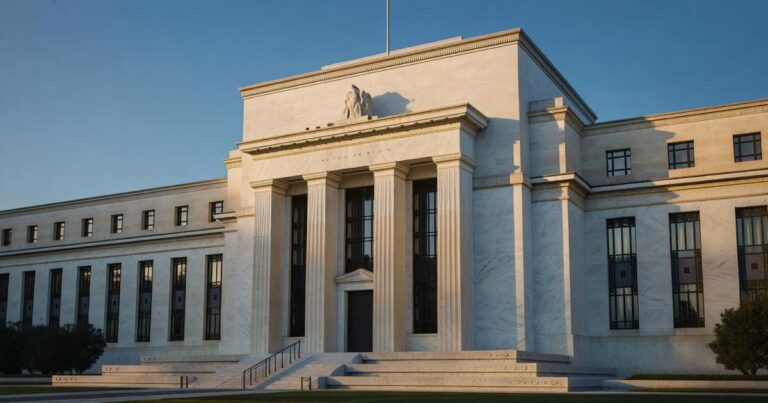
Reserve balances at the Fed fell to $2.925 trillion in the week ended August 26, the lowest since April, as Treasury cash and portfolio runoff drained the banking system.

Reserve balances at the Fed fell to $2.925 trillion in the week ended August 26, the lowest since April, as Treasury cash and portfolio runoff drained the banking system.

Real consumer spending was flat in July as goods outlays fell $49.9 billion and services rose $86.2 billion, with core PCE inflation stuck at 3.3%.

The Fed's H.6 release put M2 at a record $23.218 trillion in July 2026, up 5.41% on the year, the fastest money supply growth since June 2022.

The Fed held $1.9307 trillion of mortgage bonds in the week ended August 19, the lowest since July 2020, as the FOMC routes all agency principal into Treasury bills.
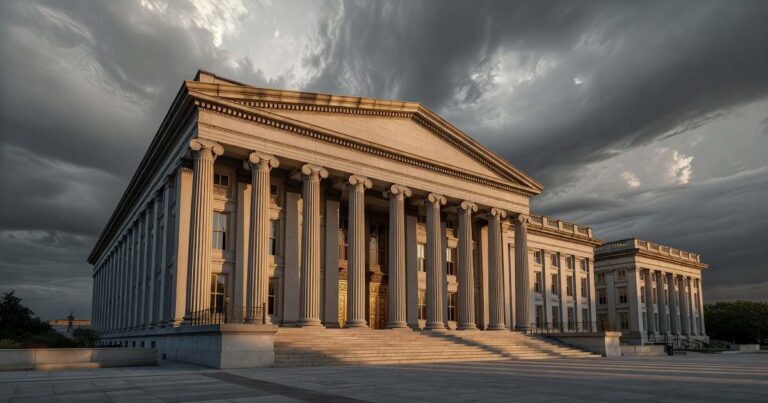
Treasury's average interest rate on all federal debt reached 3.447% on July 31, the highest since June 2009, as low-coupon notes mature into yields above 4%.
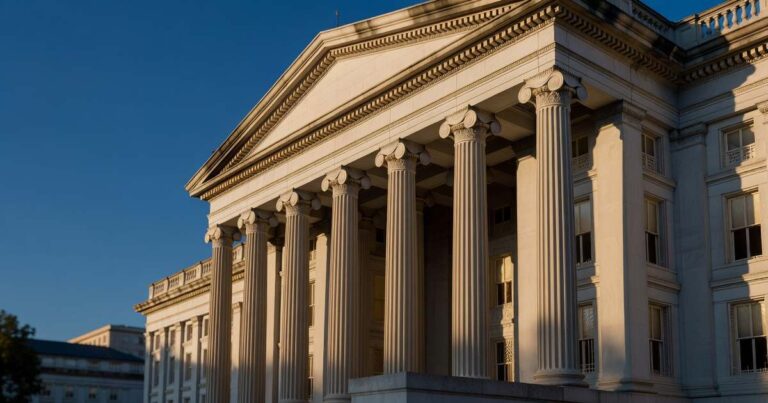
Treasury sells $183 billion of two, five and seven-year notes August 25 to 27, the same week July PCE prints and Fed Chair Kevin Warsh gives his first Jackson Hole keynote.

Treasury will lift long-end bond buybacks to at least $4 billion per operation from September 9, 2026. The 30-year yield fell 9 basis points, then took it all back.
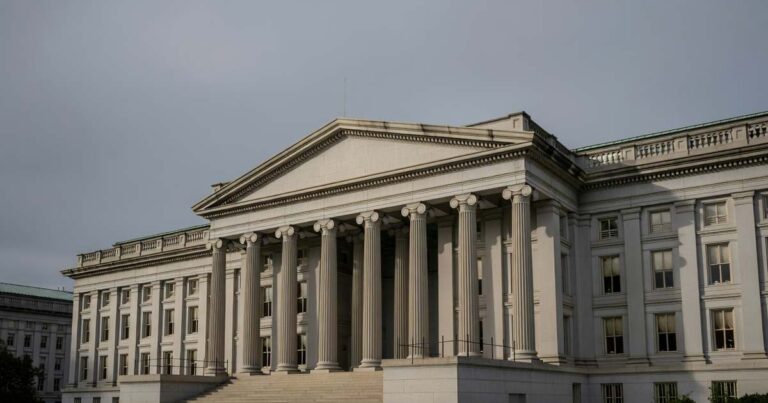
Treasury reopened the February 2056 TIPS on August 20, 2026 at a 2.973 percent real yield, the highest at a 30-year inflation-protected auction since October 2001.
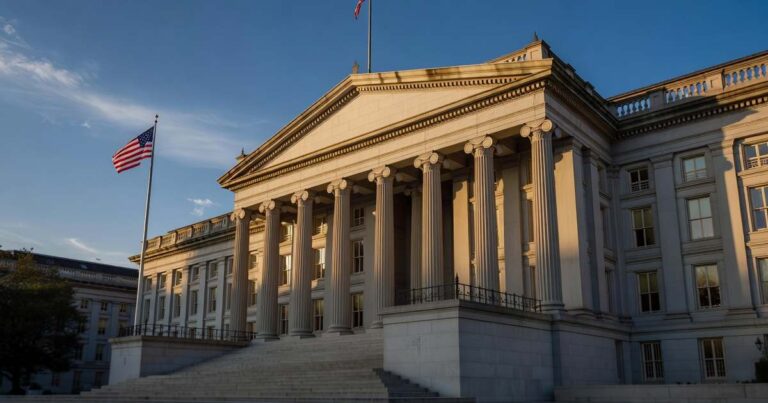
Total public debt outstanding closed at $40,047,425,768,420.22 on August 18, 2026, the first reading above $40 trillion, 154 days after the $39 trillion crossing.

Foreign holdings of U.S. Treasuries fell $72.1 billion in June to $9.30 trillion as China cut to $633.4 billion and Japan trimmed $26.4 billion. Prime held at 6.75%.